
Why Concorde Failed
The Supersonic Jet’s Rise, Fall, and Possible Comeback

The Concorde supersonic passenger jet revolutionized air travel in the late 20th century. It flew at twice the speed of sound, cutting transatlantic flights from eight hours to just over three. Developed jointly by Britain and France, Concorde entered service in 1976 and carried over 2.5 million passengers before its retirement in 2003.
Despite its engineering triumphs, it faced challenges like high costs, environmental concerns, and a fatal crash.
This article briefly looks at the Concorde history, why supersonic travel worked, the causes of its downfall, and whether projects like Boom Supersonic could bring it back. As interest in faster flights grows, understanding Concorde’s story sheds light on the future of supersonic passenger jets.
The Rise of Concorde
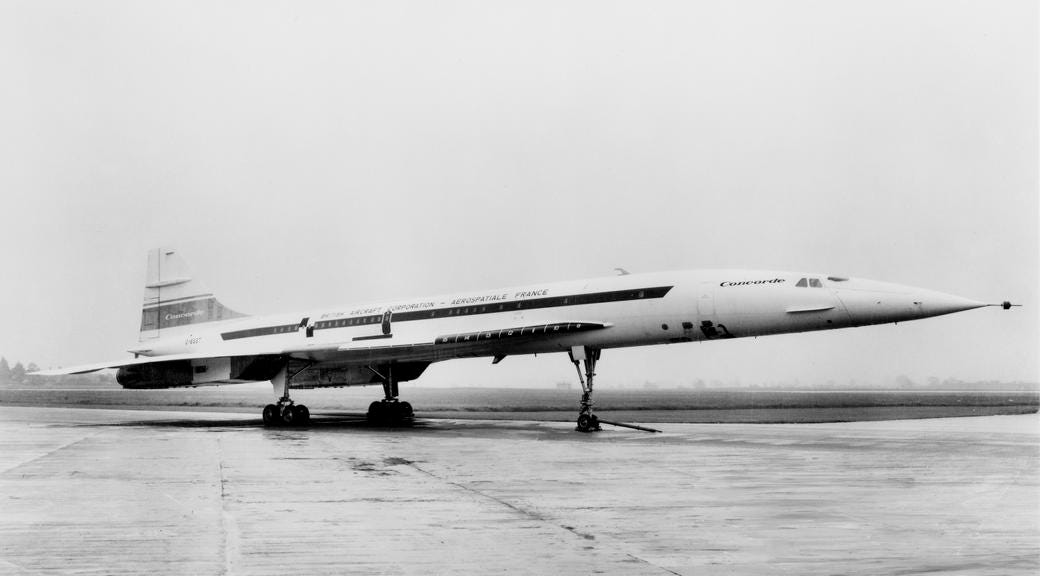
Concorde’s development began in the 1950s amid a global push for supersonic commercial aircraft. Britain and France signed a treaty in 1962 to collaborate, combining efforts from the British Aircraft Corporation and Sud Aviation. The project aimed to create a jet capable of Mach 2 speeds—over 1,300 mph—for transatlantic routes.
Construction of prototypes started in 1965, with the first test flight of Concorde 001 from Toulouse on March 2, 1969. It went supersonic on October 1 that year.
The aircraft featured a delta-wing design for stability at high speeds, four Rolls-Royce/Snecma Olympus 593 turbojets with afterburners, and a droop nose for better visibility during landing.
Development costs ballooned from £70 million to £1.5-2.1 billion by 1976 due to delays and overruns. Despite this, excitement was high; the first prototype’s flight drew massive TV audiences, second only to the moon landing in 1969.
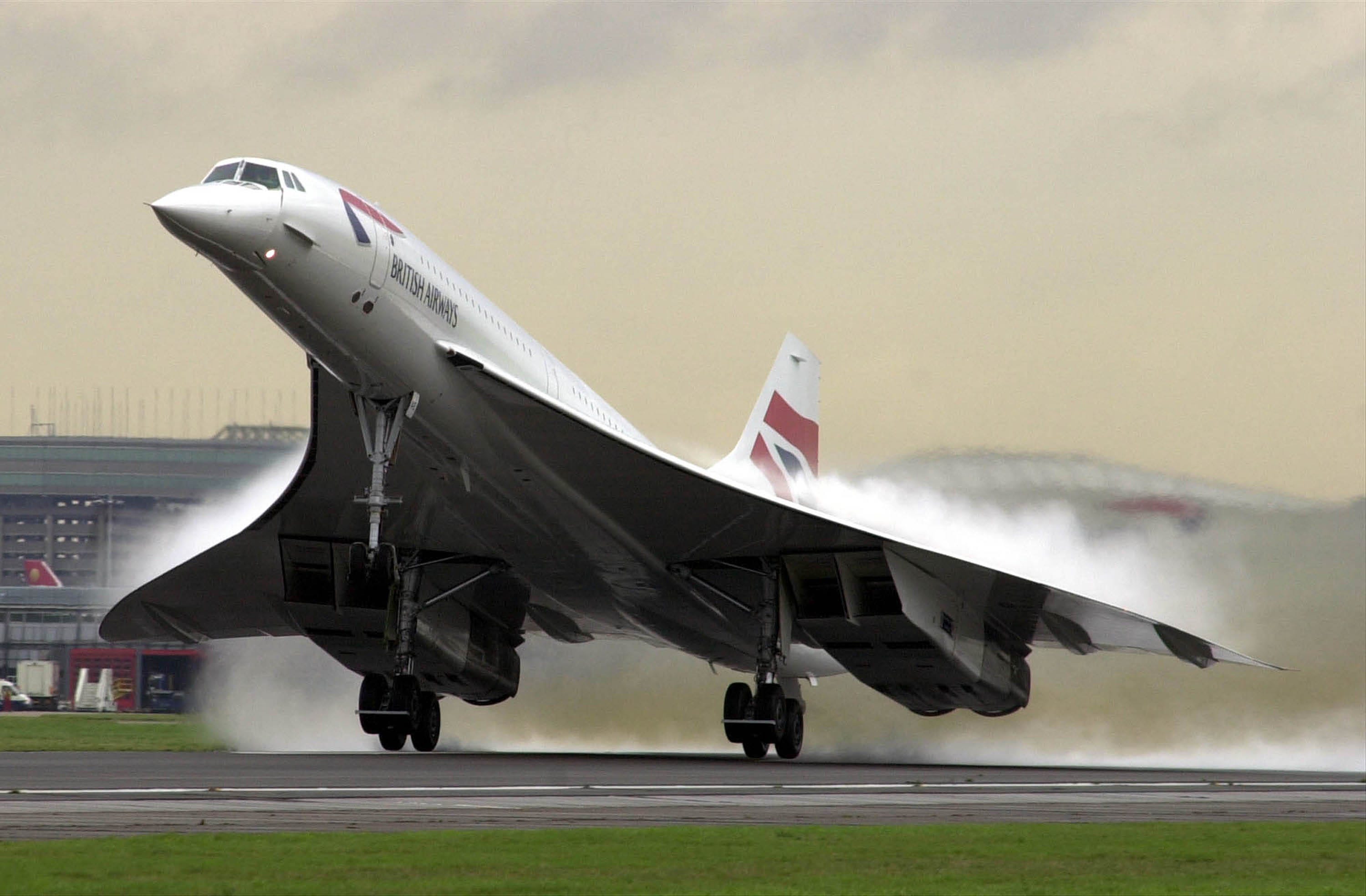
Commercial service launched on January 21, 1976, with British Airways flying from London to Bahrain and Air France from Paris to Rio de Janeiro. Transatlantic flights began in 1977 to New York after noise concerns were addressed. Only 20 aircraft were built, with 14 entering service. Concorde symbolized technological prestige, flying celebrities and business elites. It set records, including a New York-to-London trip in 2 hours, 52 minutes, and 59 seconds.
The rise aligned with post-war optimism in aviation. Unlike the Soviet Tu-144, which faced issues and crashed publicly, Concorde proved reliable initially. European collaboration highlighted shared innovation, shrinking the world for the wealthy.
Why Supersonic Passenger Travel Worked for a Time
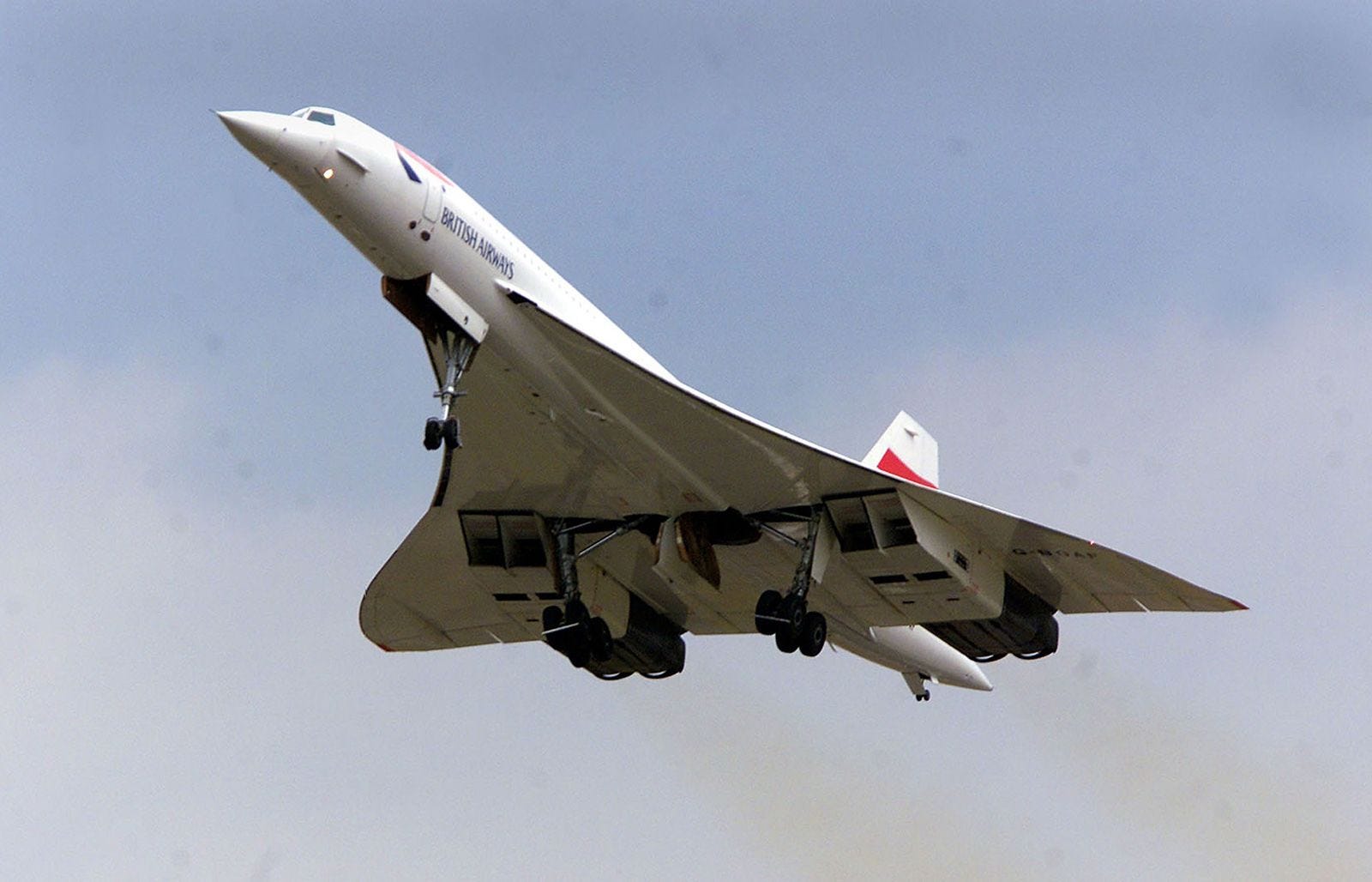
Supersonic travel succeeded briefly because Concorde delivered unmatched speed and luxury. Flying at Mach 2.04, it halved transatlantic times, allowing passengers to depart London at breakfast and arrive in New York before local breakfast—effectively being in “two places at once.”
The jet’s design enabled this: It cruised at 60,000 feet, above turbulence, with a slender fuselage and variable intake ramps for efficient supersonic flight. Afterburners provided thrust to break the sound barrier smoothly, described as “putting a hot knife through warm butter.” Concorde’s range allowed non-stop Atlantic crossings, a feat no other civilian jet matched.
Luxury was key. Though seating 100 passengers with limited legroom, it offered gourmet meals, fine wines, and personalized service. Tickets cost up to $10,000 round-trip, making it an elite experience. Routes focused on premium markets like London-New York, where time savings justified the price.
Technically, it worked due to advanced engineering. Digital computers controlled intakes, and the delta wings handled heat from friction—skin temperatures reached 127°C at speed. Over 27 years, it flew safely for most operations, proving supersonic viability.
Economic booms in the 1970s and 1980s, plus oil-rich regions, supported routes to places like Bahrain and South America. Concorde became a status symbol, boosting airline prestige.
The Fall of Concorde
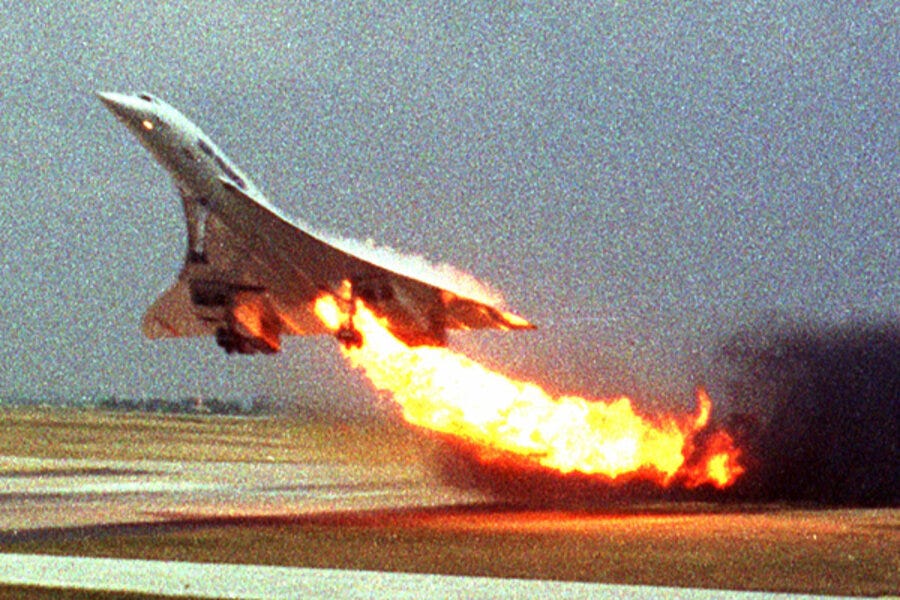
Concorde’s decline accelerated in the early 2000s. On July 25, 2000, Air France Flight 4590 crashed shortly after takeoff from Paris, killing 113 people. This was the only fatal Concorde accident, grounding the fleet for over a year.
Post-9/11, air travel slumped, leaving seats empty. British Airways and Air France announced retirement in 2003, with the last commercial flight on October 24 and final flight to Bristol on November 26. Farewell tours drew crowds, but the era ended.
The fall stemmed from ongoing issues. Only New York remained a regular destination due to losses elsewhere. Supersonic limits over land restricted routes.
What Caused Concorde’s Downfall
Multiple factors doomed Concorde. Economically, it was inefficient: Fuel consumption was high—15.8 passenger miles per gallon vs. 46.4 for the Boeing 747. Operating costs soared with the 1973 oil crisis and stock market crash, making airlines prefer efficient wide-bodies. Maintenance required 18 hours per flight hour.
Sonic booms led to U.S. bans on overland supersonic flight in 1973, limiting markets. Noise complaints delayed New York service until 1977.
The 2000 crash was pivotal. Debris from a Continental DC-10 punctured a tire, causing a fuel tank rupture and fire via “hydrodynamic pressure surge.” Investigations revealed systemic vulnerabilities, like tire and tank designs. The fleet grounded for modifications costing £17 million, but confidence waned.
Post-9/11 downturn and rising maintenance sealed it. Only 16 airlines ordered initially, but most canceled due to economics. Concorde never profited broadly, becoming a “plaything for the wealthy.”
Will Supersonic Travel Ever Return?
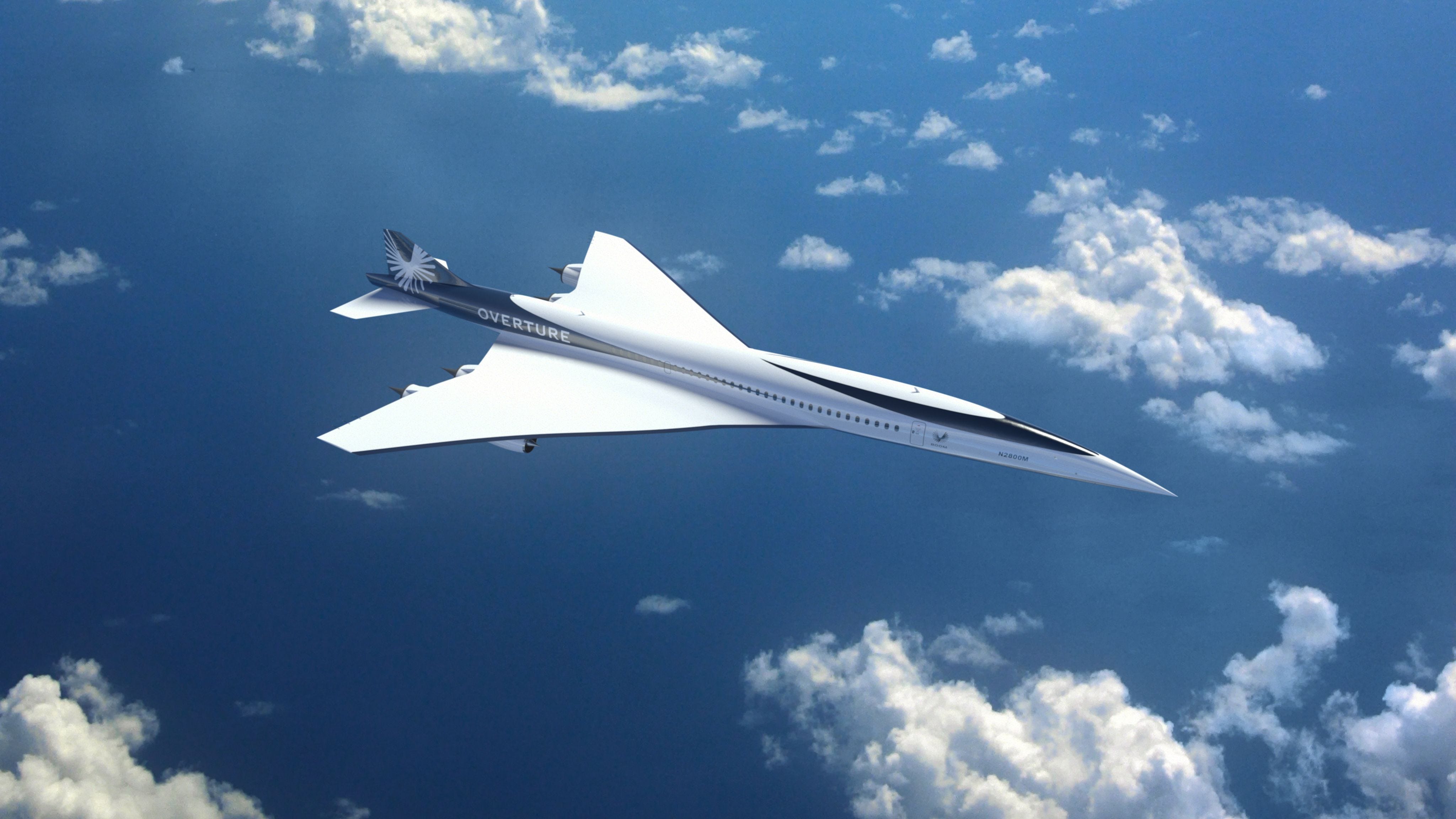
Supersonic passenger travel might return, led by Boom Supersonic’s Overture. Aiming for 2029 entry, it promises Mach 1.7 speeds for 64-80 passengers, using sustainable aviation fuel (SAF) for net-zero emissions. Boom’s XB-1 demonstrator flew supersonically in 2025, testing “Boomless Cruise” to reduce sonic booms.
NASA’s Low Boom Flight Demonstrator supports quieter designs, potentially lifting overland bans. A 2025 executive order directed FAA noise limits. Boom projects 1,000+ aircraft for 600 routes, with orders from United and American Airlines.
Challenges remain: High costs, regulatory hurdles, and SAF scalability. Critics doubt timelines, but advances in materials and engines could succeed where Concorde failed.
Conclusion
Concorde’s rise showcased human ingenuity, but its fall highlighted economic and environmental realities. Supersonic travel worked for elites but couldn’t scale. With Boom Supersonic and NASA innovations, a quieter, greener revival is possible by 2030. Whether it returns depends on solving past pitfalls.
The Concorde used to fly over my house every Tuesday and Thursday, after departing IAD. That roar was thrilling, but I wouldn’t want to hear it more than twice a week
Still think she looks beautiful, an amazing craft.
I remember the morning of the crash, reading a BBC article at work saying that they expected to get 20 more years of life out of her. Then got home from work to see the images of here in flames☹️