
Private Jets Exposed
Inside the World of Billionaire Aviation

For aviation enthusiasts, private jets represent the pinnacle of engineering, luxury, and exclusivity. These aircraft aren’t just transportation—they’re flying penthouses where billionaires conduct business, host family vacations, or escape the chaos of commercial airports. In 2025-2026, the private aviation sector hit record highs, with global flights surpassing previous peaks and the market valued at over $26 billion.

The Fleet of the Ultra-Wealthy: Iconic Models and Their Owners
The private jet world is dominated by a handful of manufacturers: Gulfstream, Bombardier, Dassault, Embraer, and Textron (Cessna). At the top of the pyramid are ultra-long-range “heavy” jets favored by tech moguls, hedge fund kings, and global tycoons.
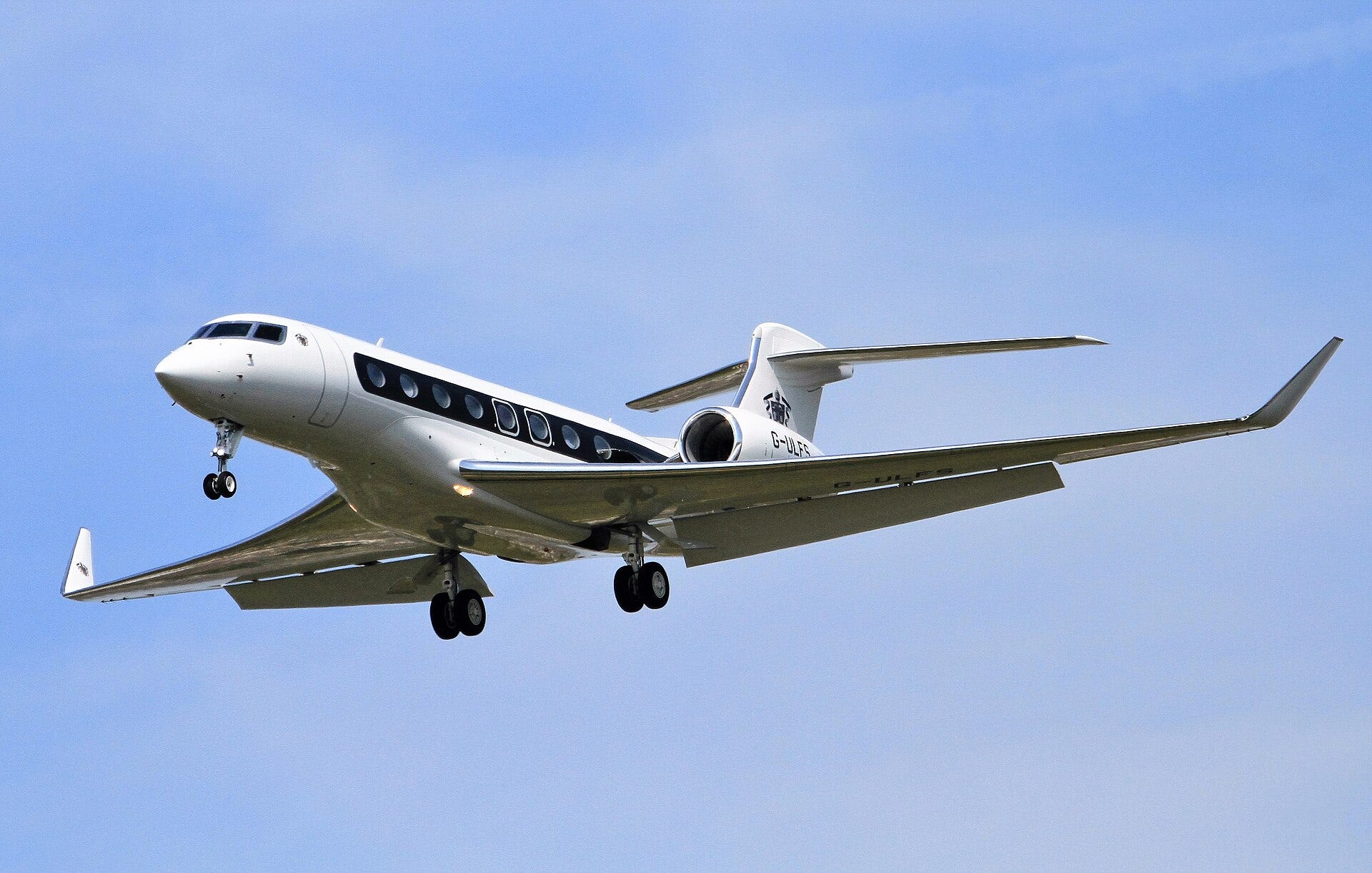
Gulfstream G650ER / G700: The gold standard for many American billionaires. Jeff Bezos, Elon Musk, Mark Zuckerberg, and Oprah Winfrey have been linked to G650 variants. The newer G700 have the largest cabin in its class, with up to five living zones, panoramic oval windows, and a range of 7,750 nautical miles. Priced around $75-95 million new, it cruises at Mach 0.90 and can fly nonstop from New York to Dubai.
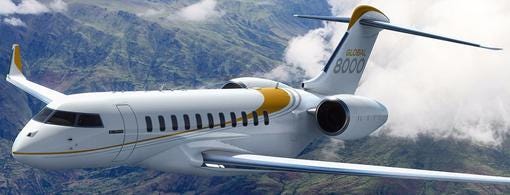
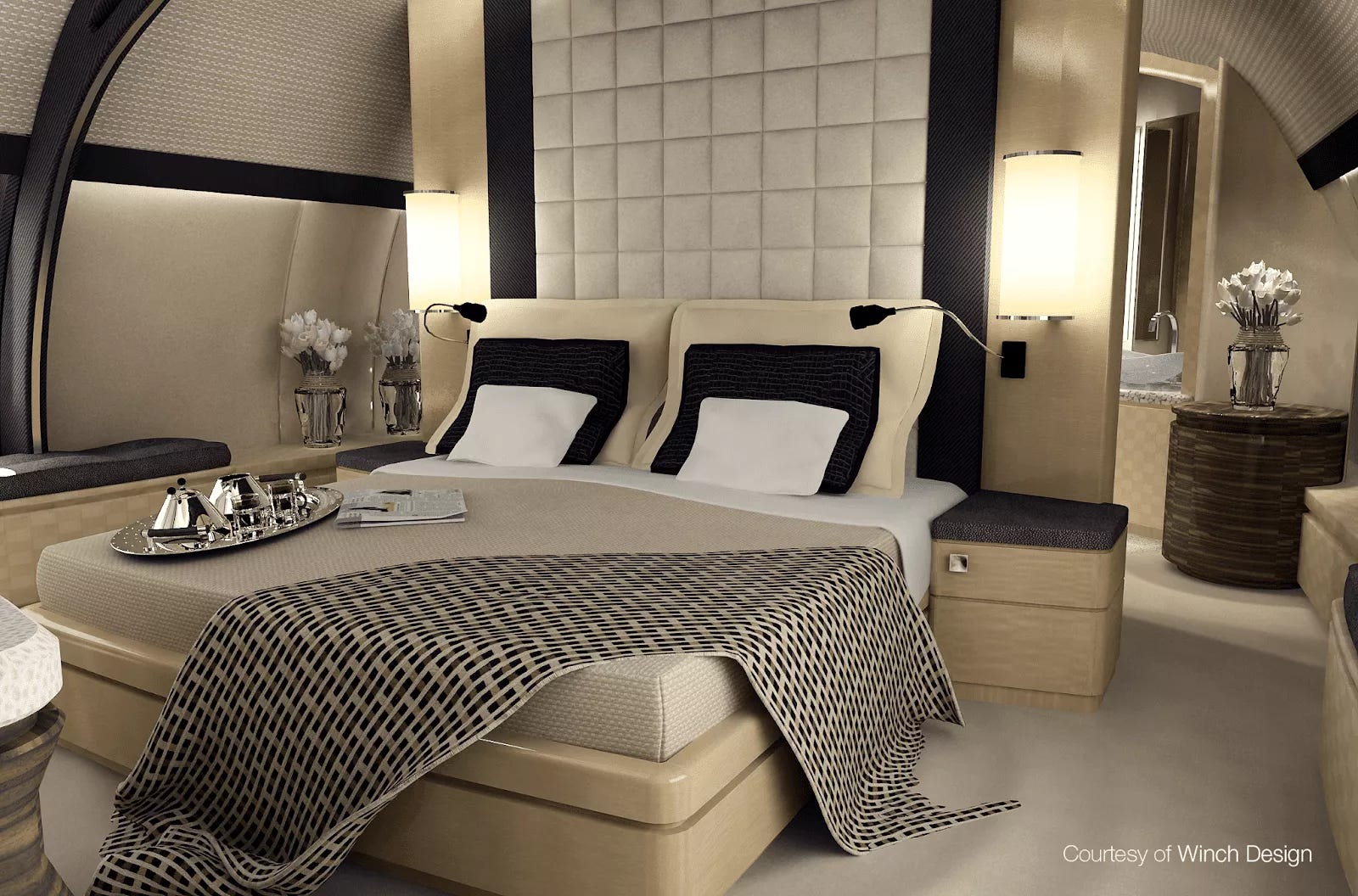
Bombardier Global 7500 / 8000: A favorite of Bill Gates and Dwayne “The Rock” Johnson. The Global 7500 features a massive 54-foot cabin with four distinct living zones, a full master bedroom with en-suite shower, and a range of 7,700 nautical miles. It’s known for its smooth ride and innovative Nuage seats. List price hovers near $78-81 million.
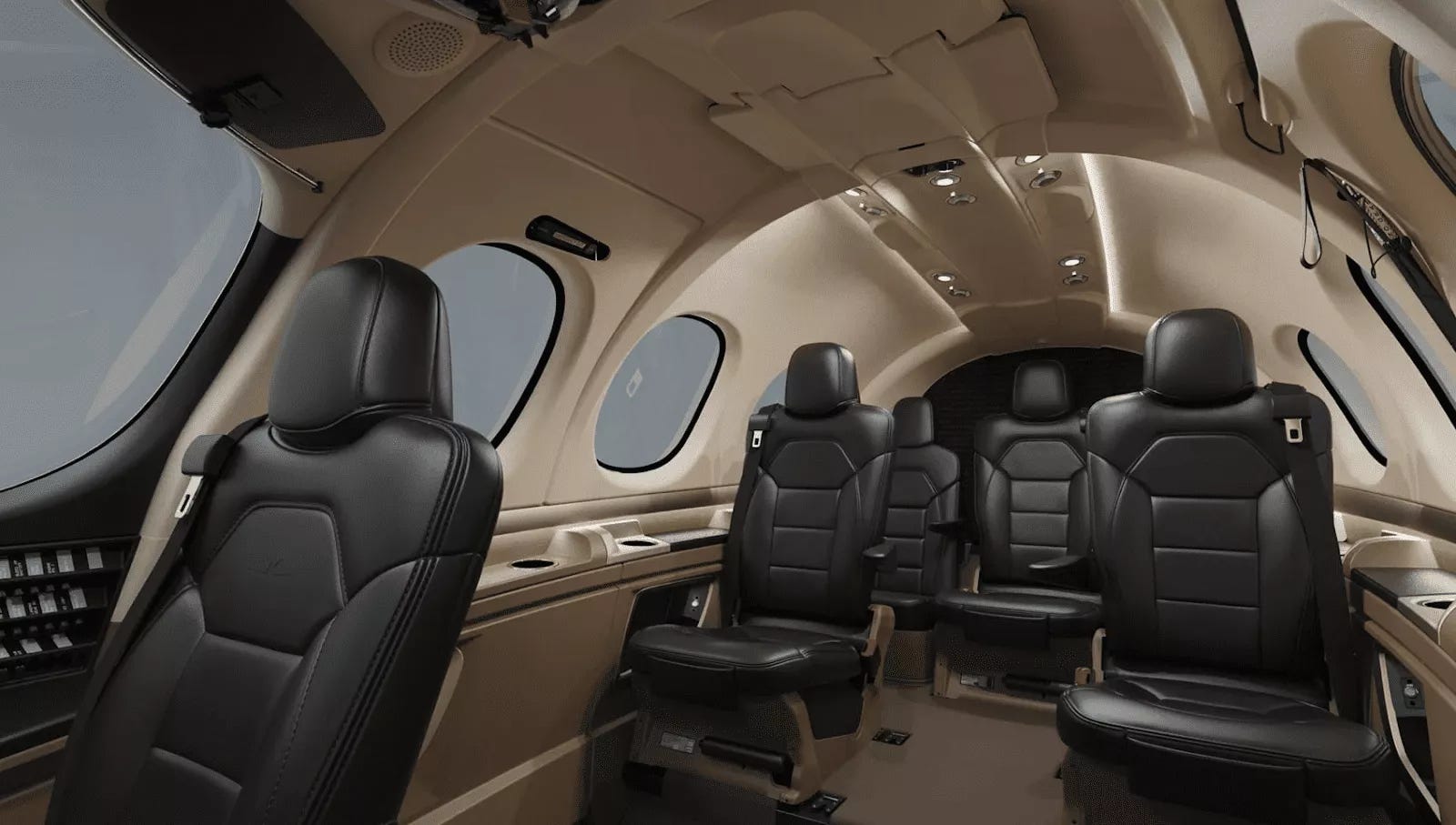
Other notables include customized Boeing Business Jets (BBJs) for those needing even more space—like Roman Abramovich’s converted 767—and smaller, nimbler jets like the Embraer Phenom 300 for shorter hops.
Luxury Redefined: What It’s Really Like Inside
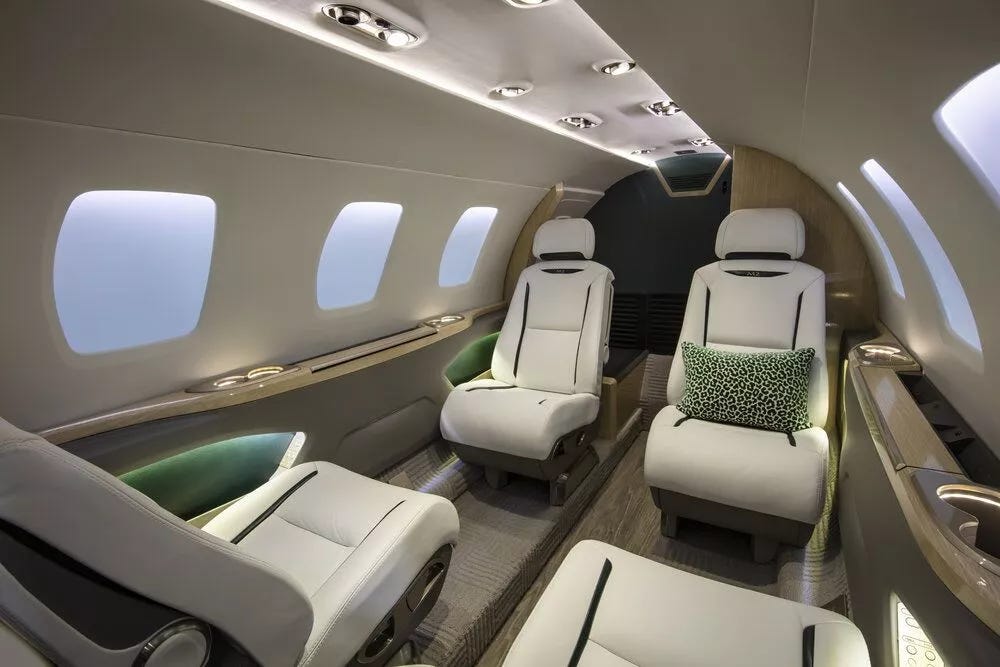
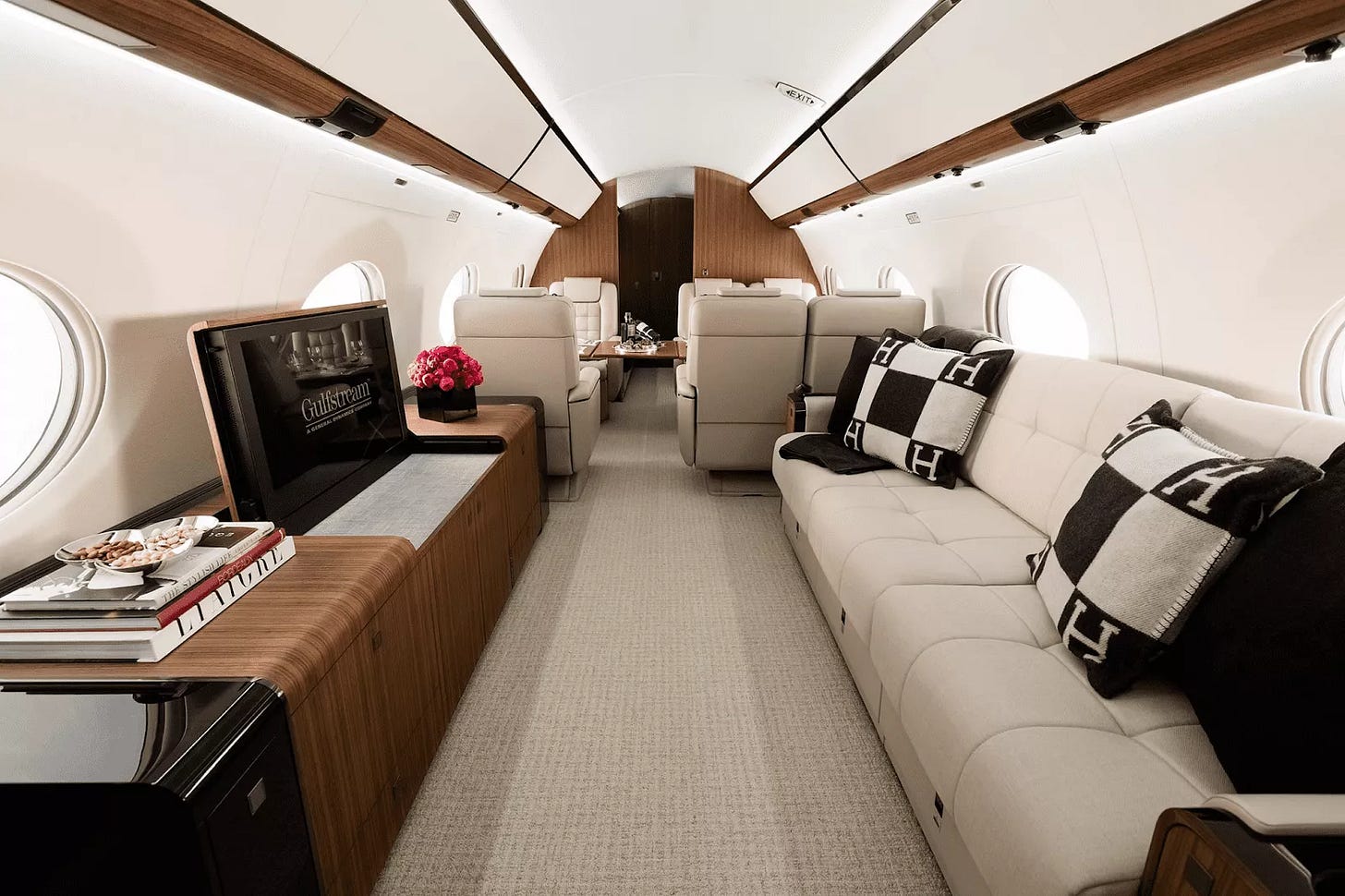
Cabins are fully customizable with exotic woods, fine leathers, marble accents, and bespoke furnishings.
Standout perks:
Living Zones: Up to five separate areas including conference suites, entertainment lounges, full dining rooms, and private master bedrooms with king-size beds.
Bathrooms & Showers: Full en-suite facilities with walk-in showers, heated floors, and spa-like amenities on long-range models.
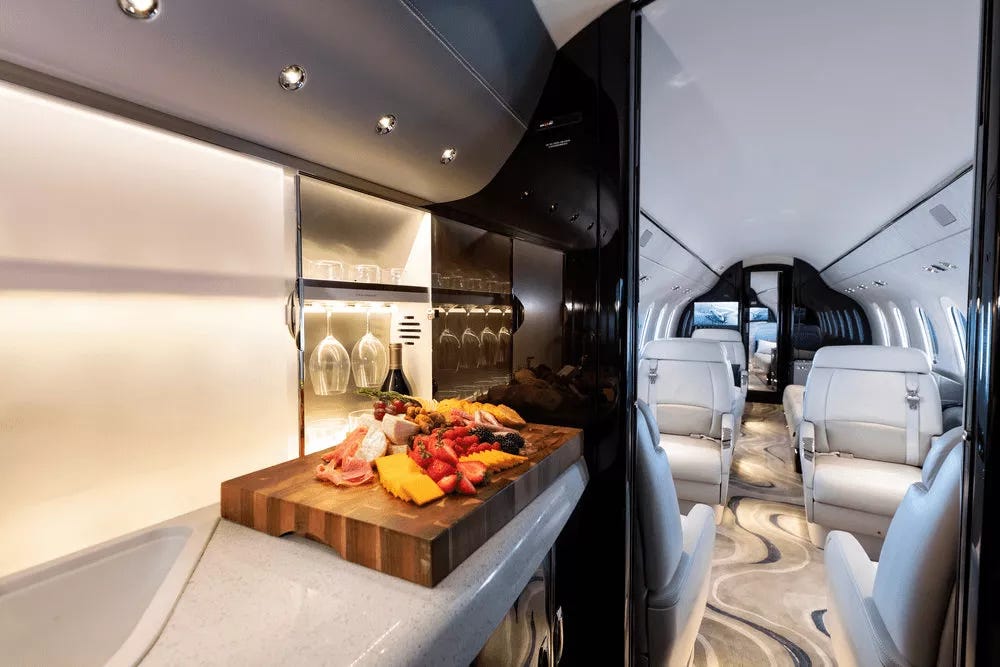
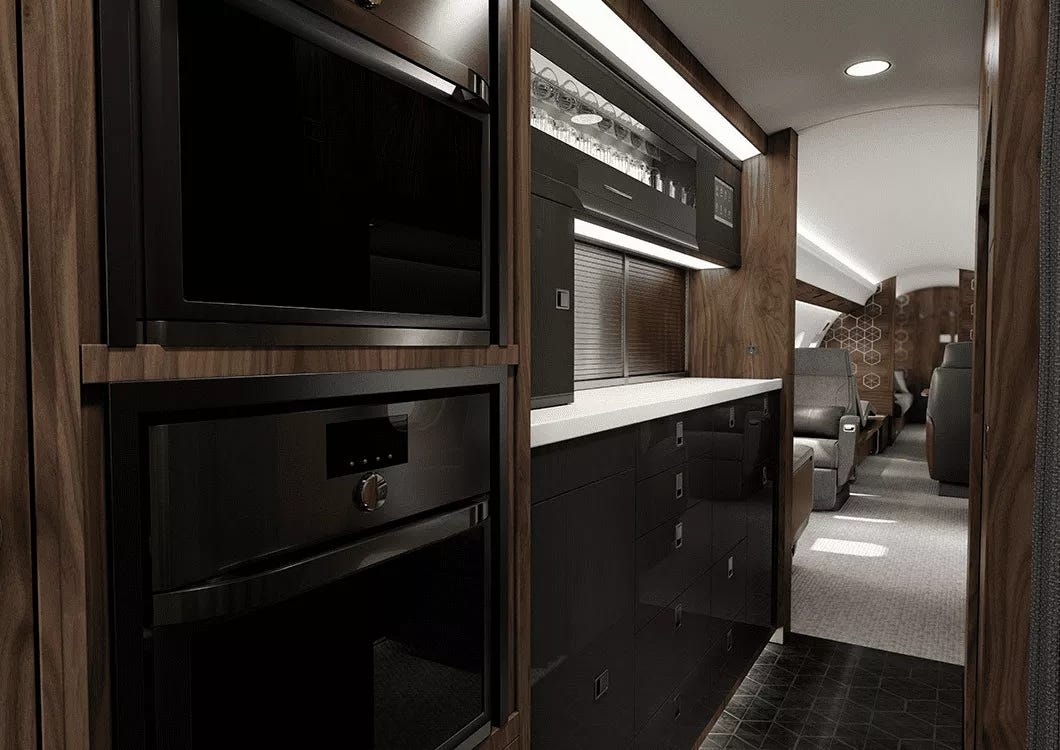
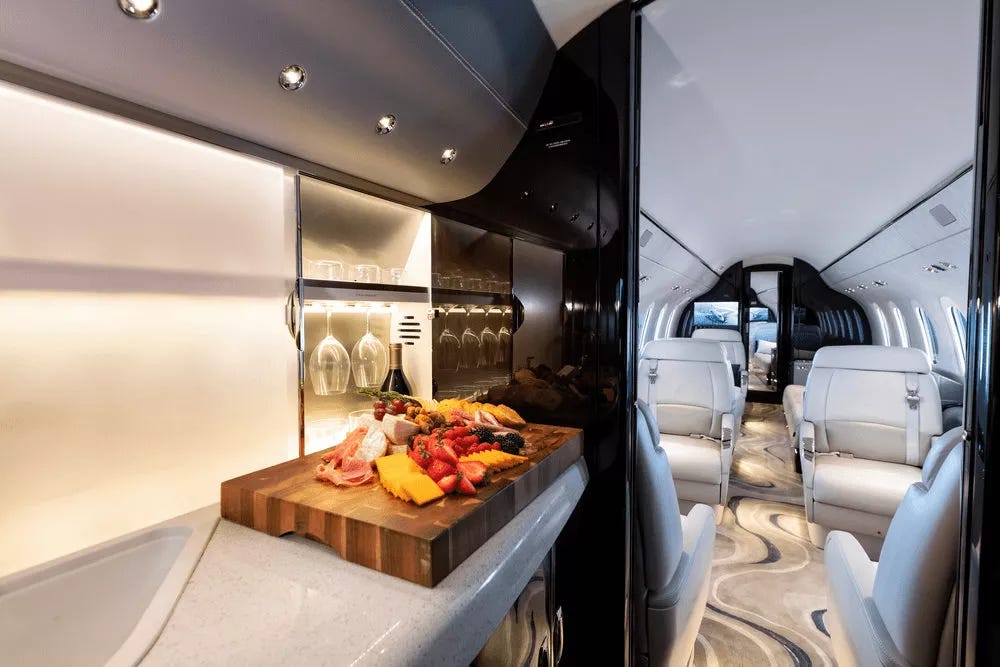
Galleys: Chef-equipped kitchens with convection ovens, full refrigeration, and space for gourmet catering.
Wellness Features: 100% fresh air refreshed every 2-3 minutes, lowest-in-class cabin altitude (reducing jet lag), circadian lighting systems, and whisper-quiet cabins.

Connectivity: High-speed Wi-Fi, satellite communications, and large HD screens for work or entertainment.
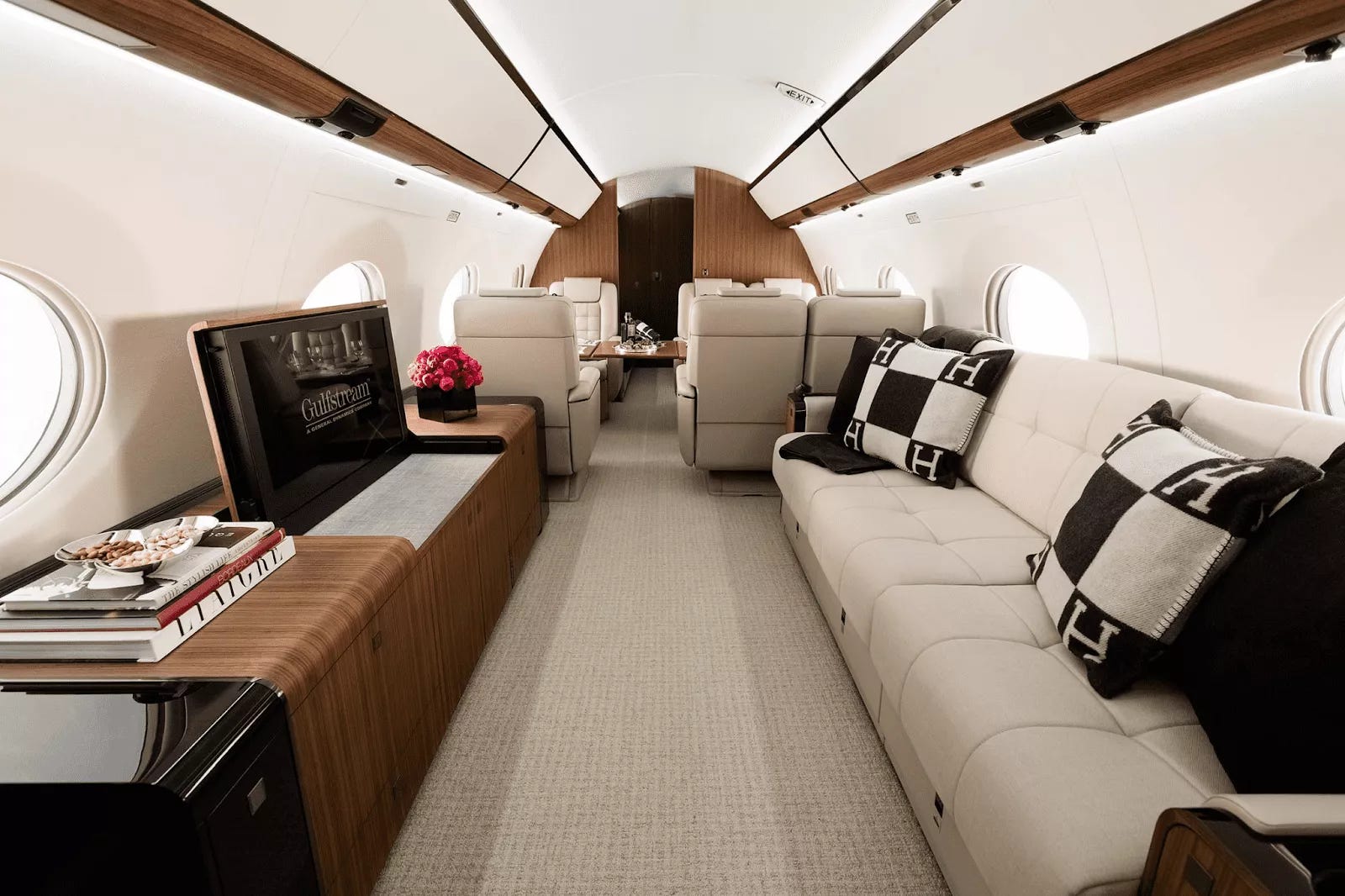
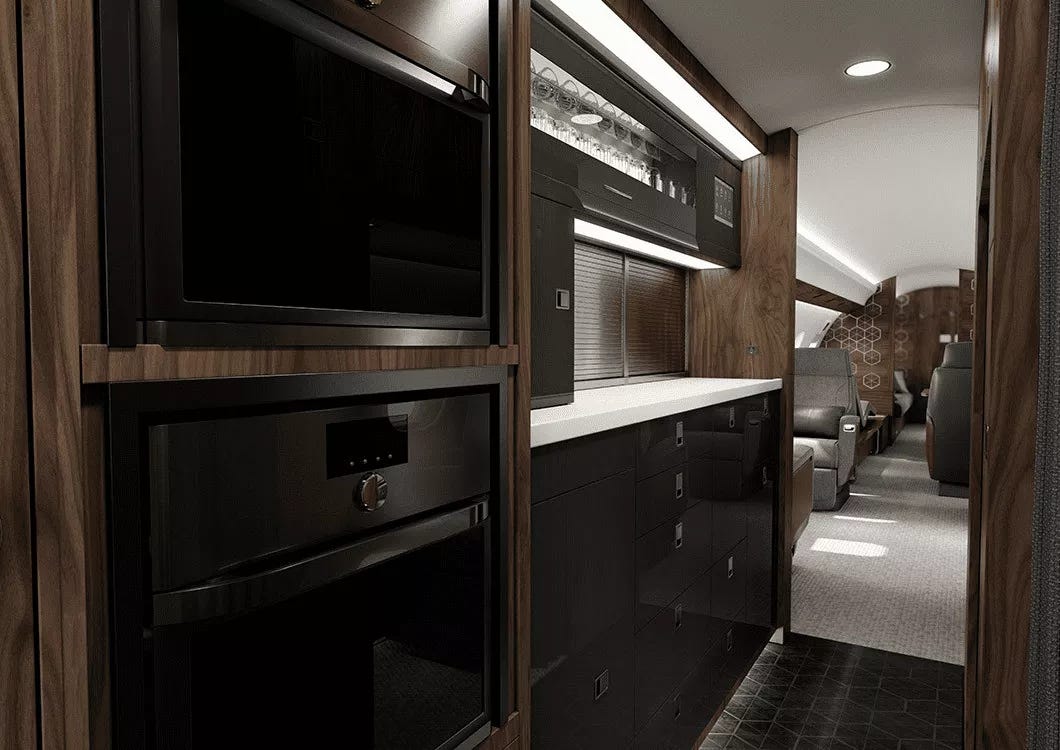

Passengers can sleep, hold meetings, dine formally, or simply relax in an environment tailored exactly to their tastes.
The Real Cost: More Than Just the Sticker Price
Owning a private jet is a lifestyle commitment with high expenses. Purchase prices range from $5-10 million for light jets to $70-100+ million for flagships.
Annual operating costs often exceed $1-4 million, covering:
Fuel (a major variable, especially on long flights)
Crew salaries (pilots, flight attendants)
Hangar fees, insurance, and maintenance
Management companies that handle everything
A mid-size jet might burn through $1.3 million yearly even with moderate use. Fuel alone can account for a third of costs.
For those not ready for full ownership, alternatives thrive:
Fractional Ownership (e.g., NetJets, Flexjet): Buy 1/16th of a jet for ~50 hours/year. Entry around $500k+ plus monthly fees.
Jet Cards: Prepaid blocks of hours at fixed rates ($5k-$15k/hour depending on aircraft).
On-Demand Charter: Pay per flight—convenient but variable pricing.
These models have driven massive growth, making private flying more accessible while fractional fleets expand rapidly.
The Business of Billionaire Aviation
The sector boomed post-pandemic as UHNW individuals (net worth $30M+) valued privacy, flexibility, and time savings. The U.S. dominates, but growth is accelerating in Europe, Asia, and the Middle East.
Operators like NetJets (Berkshire Hathaway) and Flexjet manage massive fleets, ensuring availability and standardization. Customization is where the real magic (and cost) happens—interiors can add millions.
Aviation enthusiasts appreciate the engineering: advanced wings for efficiency, powerful engines (often Rolls-Royce or GE), and safety records far exceeding commercial aviation in many metrics.
Controversies: Environment, Equity, and Optics
Private jets face sharp criticism for their carbon footprint. One jet can emit as much annually as hundreds of cars, with short flights being particularly inefficient. The sector accounts for a disproportionate share of aviation emissions despite low passenger numbers.
Industry responses include sustainable aviation fuel (SAF) trials, more efficient designs, and offsets. Critics argue true sustainability requires fewer flights overall.
The Future: Innovation Meets Exclusivity
Electric and hybrid concepts are emerging for shorter routes, while hydrogen tech promises longer-term solutions. Meanwhile, demand for supersonic private travel may revive.
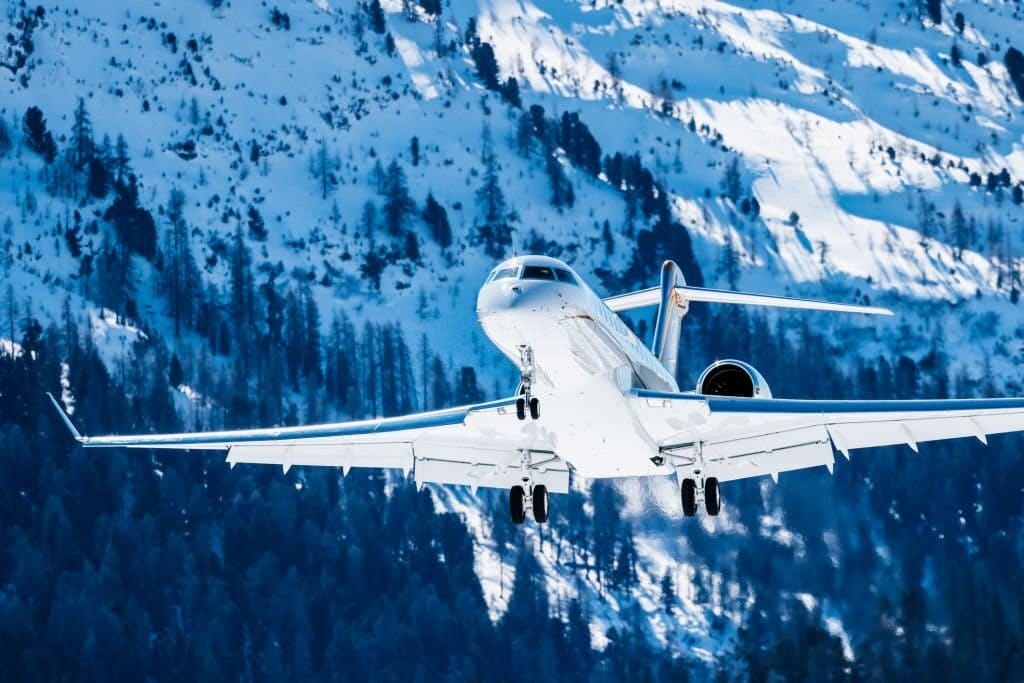
For plane spotters and enthusiasts, private jets offer a fascinating glimpse into cutting-edge aviation applied to ultimate comfort. In the world of billionaire aviation, time is the ultimate luxury—and private jets deliver it, wrapped in unparalleled engineering and opulence.