
Hidden City Ticketing
The Airline “Hack” That Can Backfire at the Gate

As a former gate agent, a difficult part of the job was handling passengers who thought they had scored an incredible deal on a flight, only to discover at check-in or the gate that their ticket violated airline regulations. These situations frequently involved hidden city tickets. Passengers would arrive excited about their low fare, but when delays, cancellations, or baggage issues arose, the ticket’s hidden structure created chaos. Repricing the ticket or fixing the itinerary often resulted in much higher costs, and repeated use could lead to serious penalties from the airline, including loss of frequent flyer miles or even travel bans.
Hidden city ticketing (also called skiplagging) is a controversial practice where a traveler books a ticket with a layover at their actual destination but intentionally skips the final leg and exits at the connection point. This exploits airline pricing quirks to get cheaper fares than a direct ticket to the intended city.
What Exactly Is a Hidden City Ticket?
Imagine you want to fly from New York (JFK) to Atlanta (ATL). A direct nonstop might cost $300. However, a ticket from New York to Dallas (DFW) with a connection in Atlanta costs only $150. You book the cheaper itinerary, fly to Atlanta, collect your carry-on, and simply do not board the continuing flight to Dallas. Atlanta becomes the “hidden city”—the unintended final stop.
The ticket is issued as one single itinerary under a passenger name record (PNR). The airline expects you to complete the entire journey. Skipping the last segment makes you a “no-show” for that leg, which can automatically cancel any remaining flights on the same ticket (especially risky for round-trips).
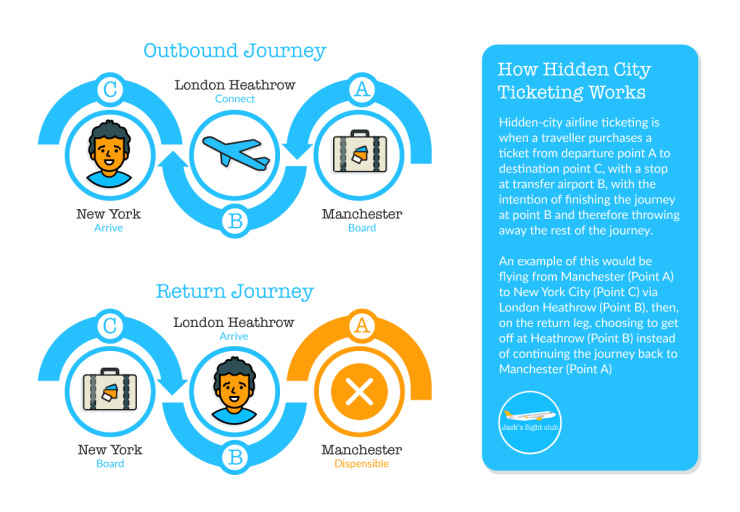
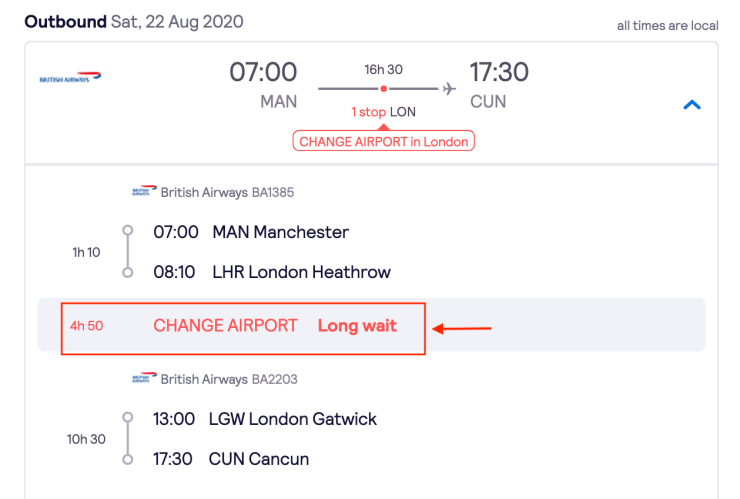
Standard vs. Hidden City Route Diagram:
Direct: New York (JFK) → Atlanta (ATL) [Higher price]
Hidden City: New York (JFK) → Atlanta (ATL) → Dallas (DFW) [Lower price; exit at ATL]
Airlines’ complex yield management systems price tickets based on demand, competition, route popularity, and market forces rather than simple distance. Hub-and-spoke networks play a big role—flights into major hubs like Atlanta (Delta), Chicago (United), or Dallas (American) often have cheaper connecting fares when the continuing leg has lower demand.
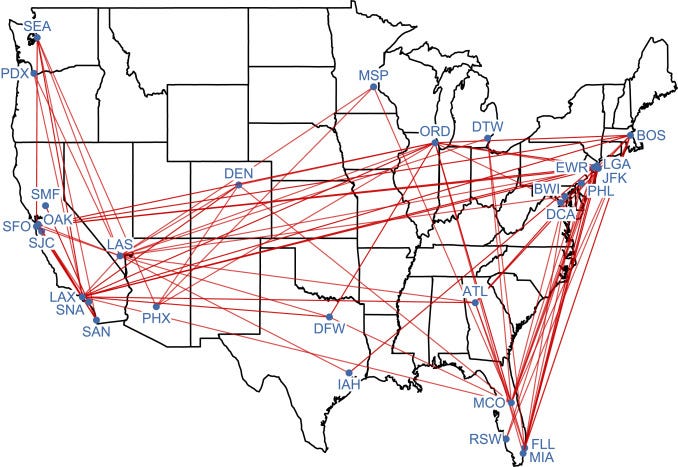
The determinants of hidden-city ticketing: Competition, hub-and-spoke networks, and advance-purchase requirements - ScienceDirect
This map visualizes a dense U.S. airline hub-and-spoke network, where many routes converge on major hubs, creating pricing anomalies that enable hidden city opportunities.
How Hidden City Tickets Happen and Why They Seem Like a Great Deal
Airline pricing is not linear. Key factors include:
Hub routing — Many flights funnel through central hubs, bundling segments unevenly.
Competition — Routes dominated by one carrier or lacking low-cost options stay expensive.
Demand elasticity — Business travelers pay premiums for direct flights; leisure or connecting itineraries get discounted to fill seats.
Last-minute seat filling — Unsold inventory on longer itineraries drives lower through-fares.
Travelers spot these deals on Google Flights, ITA Matrix, or specialized sites like Skiplagged. Savings can reach 30–70% in some cases, making it tempting for budget travelers.
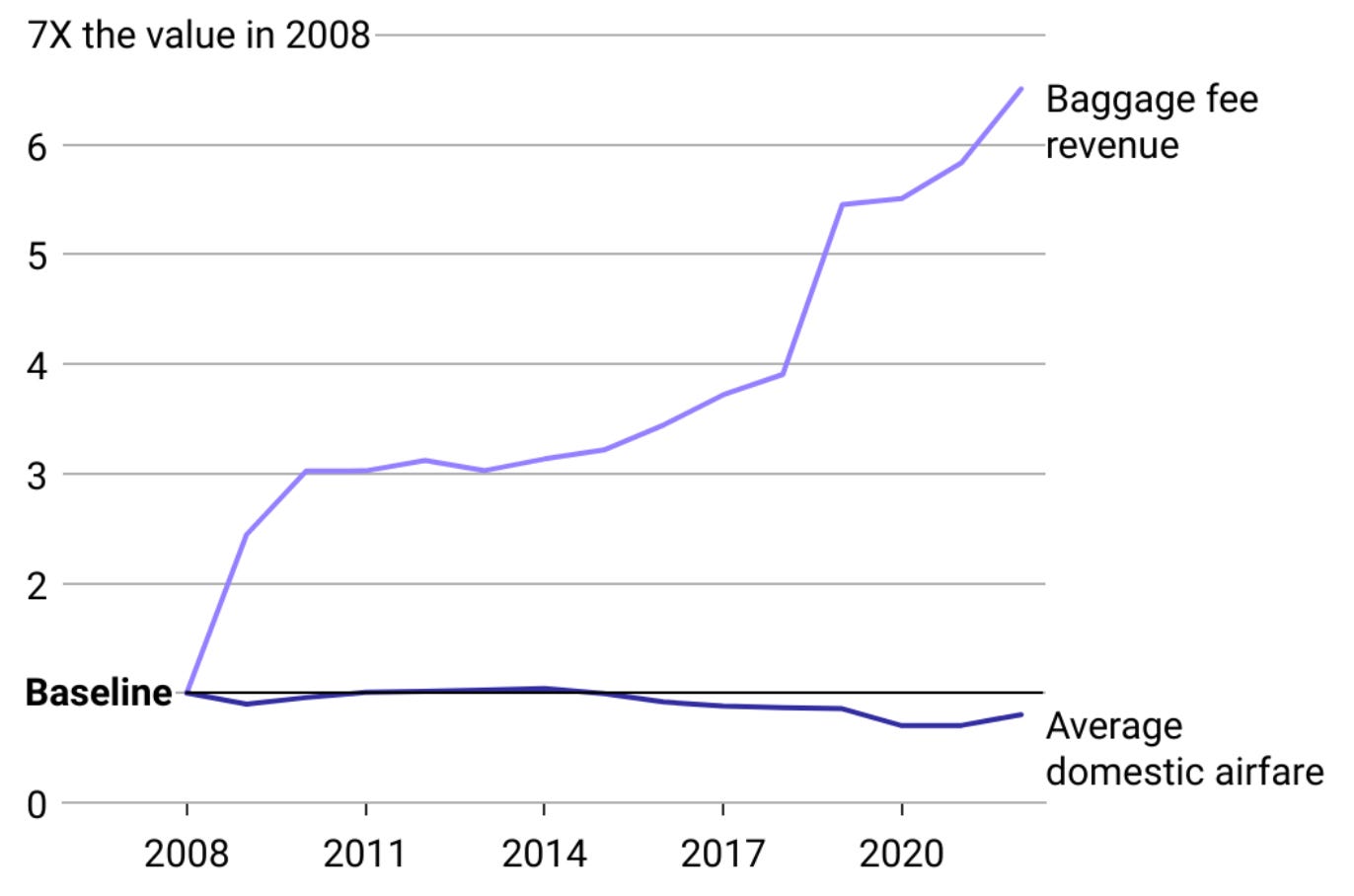
This chart highlights how ancillary revenue (like baggage fees) has skyrocketed while base fares have stayed relatively flat—airlines protect their pricing models fiercely, which is why they dislike hidden city tactics.
It feels like a smart hack because the practice is generally legal (courts have ruled against airlines trying to ban search tools). You accept the contract of carriage at booking, but many skip the fine print. The segments you actually fly are valid—the issue is your intent to skip.
The Baggage Nightmare: A Common Gate Agent Headache
One of the biggest pitfalls is checked baggage. On a through ticket, bags are tagged to the final destination on the ticket. If you deplane at the hidden city, your suitcase continues alone to the “hidden” endpoint.
As a gate agent, I saw this repeatedly: A passenger forced to gate-check a bag (due to full overhead bins or oversized carry-ons) would later learn it was heading to the wrong city. Retrieving it involved extra fees, delays, and sometimes security complications with unaccompanied bags. In busy flights or on smaller regional jets, gate-checking is common—hidden city travelers must stick to strict carry-on or personal-item-only rules to avoid disaster.
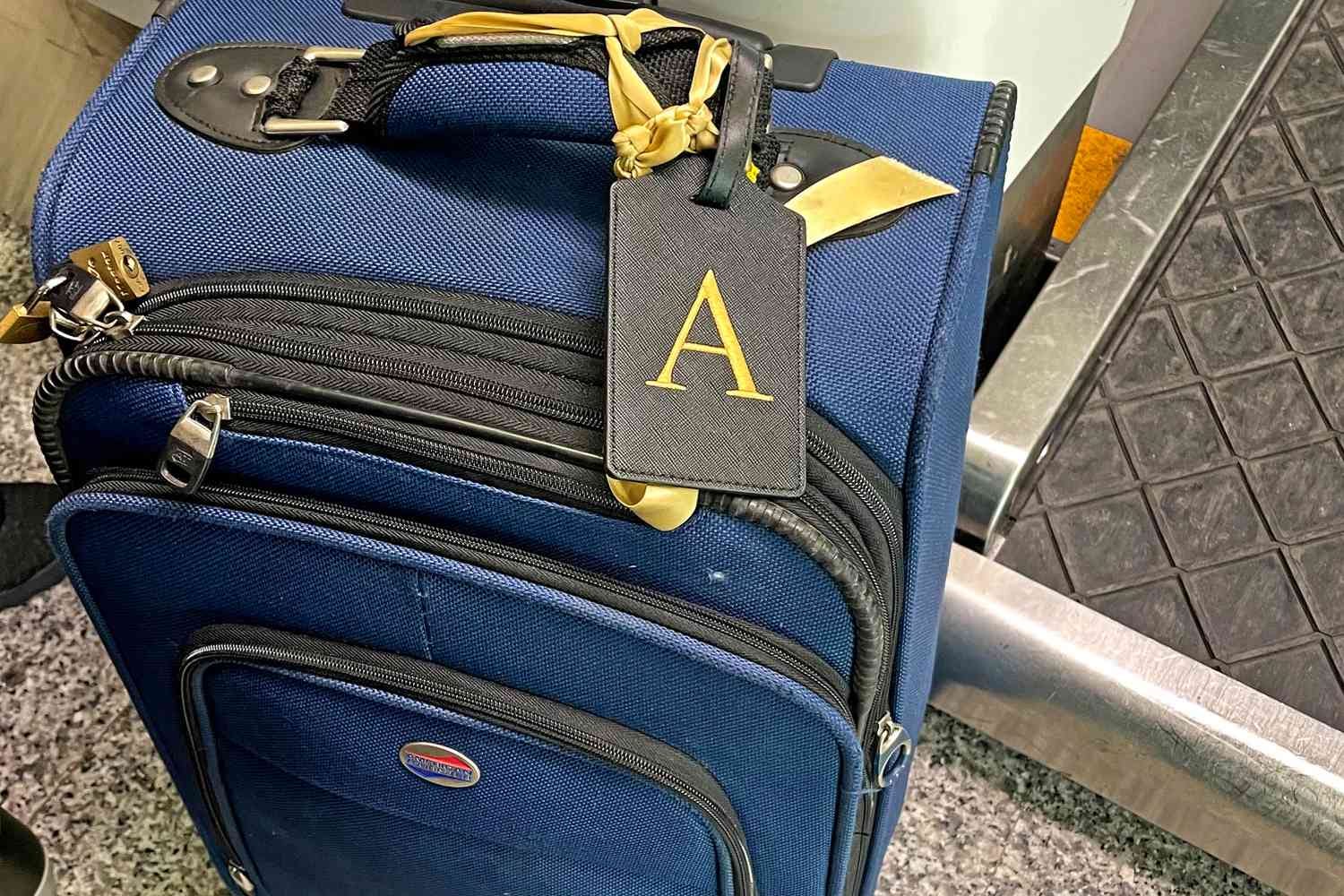
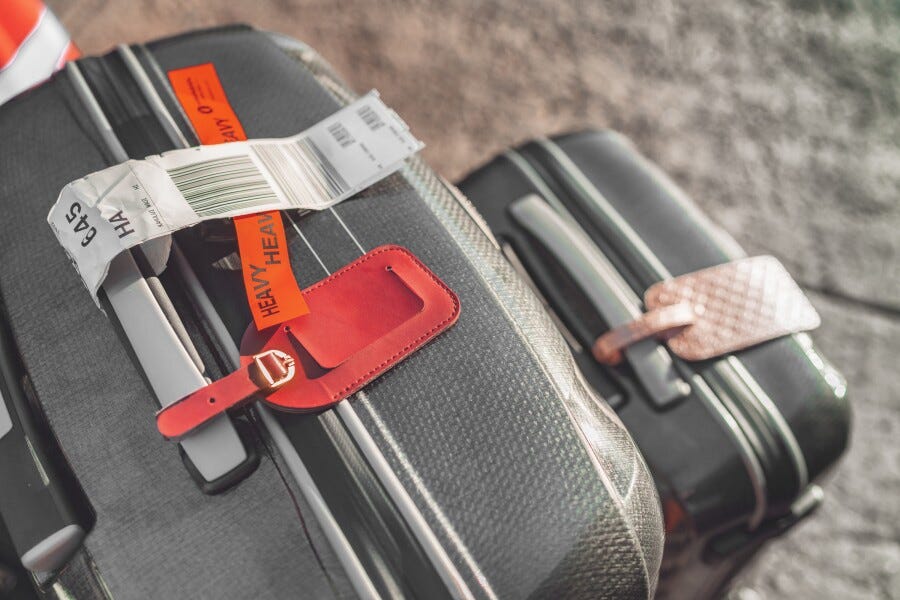
Baggage Flow Illustration:
Bag checked at origin → Tagged to final city (e.g., Dallas).
Aircraft lands at hidden city (Atlanta) → Passenger exits with carry-on only.
Bag continues without you → Retrieval becomes a costly hassle.
Traveling ultra-light is essential for hidden city users, but this limits practicality for families, business travelers, or anyone needing more than a small backpack.
Gate Agent Experiences and Operational Challenges
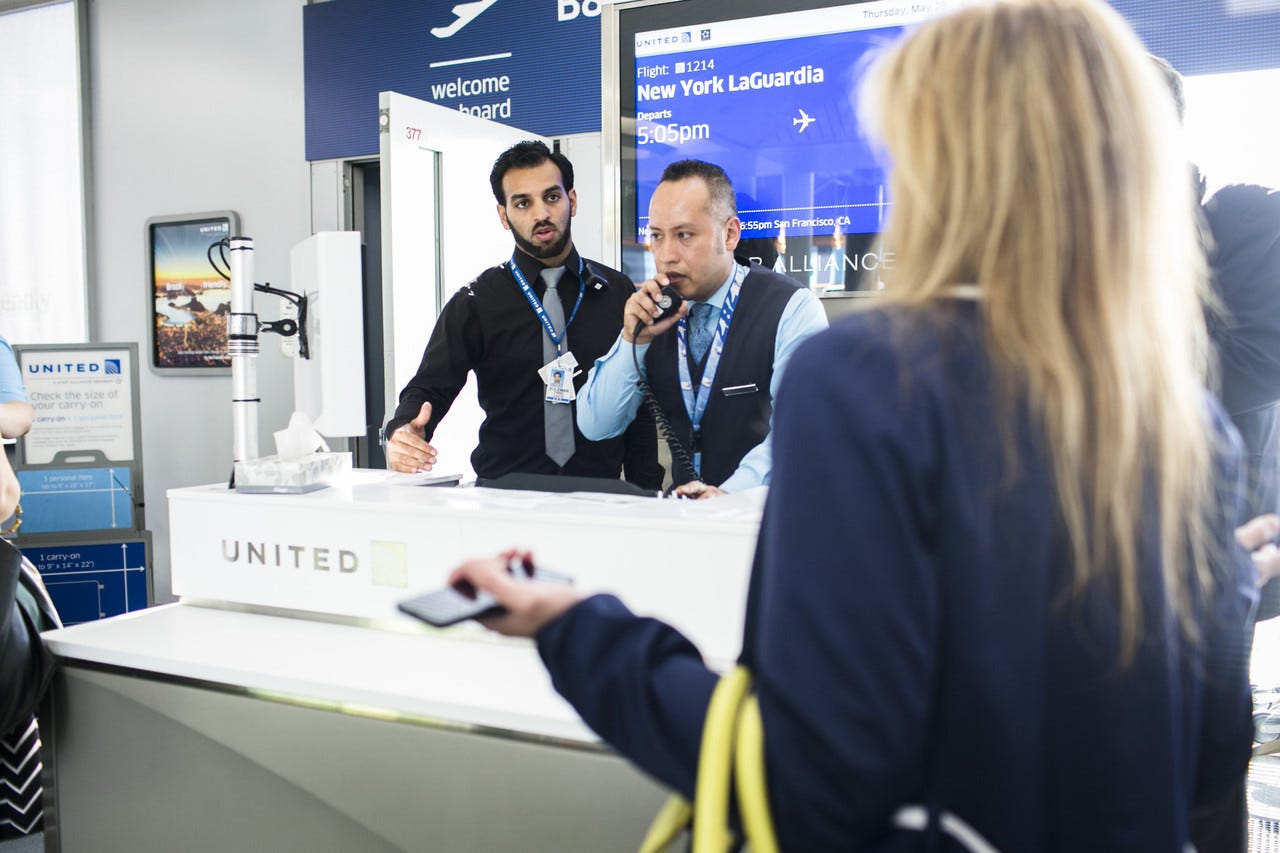
Gate agents often become the frontline when hidden city tickets cause issues—rebooking after delays, enforcing bag rules, or explaining why the “cheap” ticket now costs more. Passengers frequently feel blindsided, leading to tense interactions.

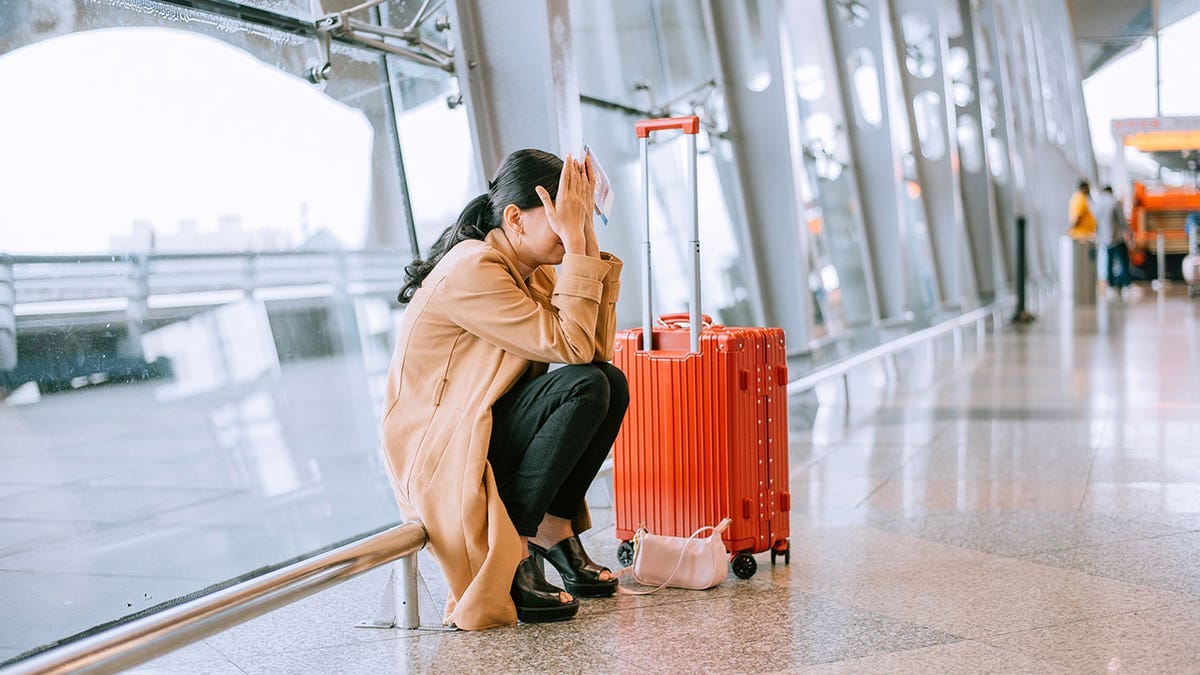
How Airlines Penalize Hidden City Ticketing
Airlines explicitly prohibit the practice in their contracts of carriage, seeing it as revenue management abuse that creates empty seats, operational inefficiencies, and disrupted inventory.
Consequences can include:
Automatic cancellation of remaining segments.
Fare repricing to the higher direct rate at the gate or via reservations.
Loss of frequent flyer miles or elite status.
Blacklisting or refusal of future travel in repeated cases.
While not illegal, patterns increase detection risk through PNR monitoring. Occasional use with no checked bags and no frequent flyer account is harder to catch—but still risky.
How to Avoid Problems with Hidden City Tickets (or Skip the Practice)
If you decide to try it:
Book one-way tickets only (skipping on round-trips cancels returns).
Travel with carry-on/personal item only—never check bags.
Avoid linking frequent flyer numbers.
Limit frequency on the same airline.
Board early on smaller planes to reduce gate-check risks.
Have a backup plan if questioned.
Better alternatives for cheap fares:
Use flexible date/airport searches on Google Flights.
Fly budget carriers or basic economy (know the restrictions).
Book legitimate multi-city itineraries with real stopovers.
Set price alerts and travel off-peak.
Risk Avoidance Decision Tree (Conceptual):
Start → Need cheap flight? → Compare direct vs. connecting → Hidden city option? → Assess baggage needs + frequency → High risk? → Choose legitimate low-fare options instead.
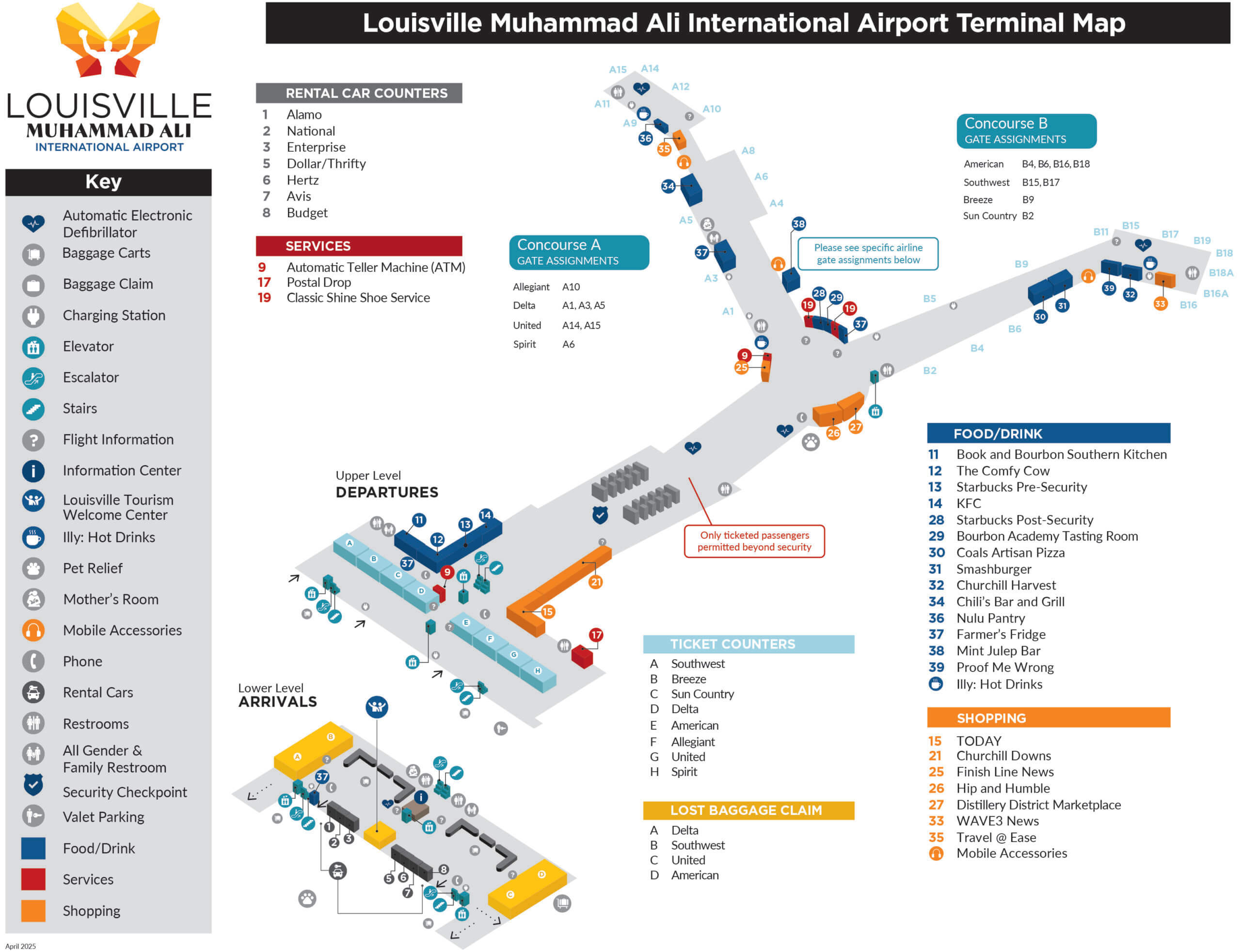
Airport terminal maps help visualize routing complexities and potential exit points.
![Miami International Airport [MIA]: Ultimate Terminal Guide [2026]](https://substackcdn.com/image/fetch/$s_!rzFs!,f_auto,q_auto:good,fl_progressive:steep/https%3A%2F%2Fsubstack-post-media.s3.amazonaws.com%2Fpublic%2Fimages%2Fc509aef1-b784-48ee-bfc4-aa4915d8c0ce_1144x907.png "Miami International Airport [MIA]: Ultimate Terminal Guide [2026]")
In my experience, passengers who researched the full implications avoided major headaches. Hidden city ticketing can deliver short-term savings but often creates disproportionate stress, especially when gate decisions or operational changes intervene.
Airlines continue tightening enforcement while travelers hunt for deals. The smartest approach remains planning with transparency: read contracts, pack light when experimenting, and treat what looks like a steal as a calculated risk rather than a guaranteed win.
The airlines only have their ridiculous pricing algorithms to blame.
It is shocking to see price gougers openly celebrate their predatory immorality.