
After The Final Flight
Where Retired Aircraft Go to Rest in Arizona’s Desert Boneyard

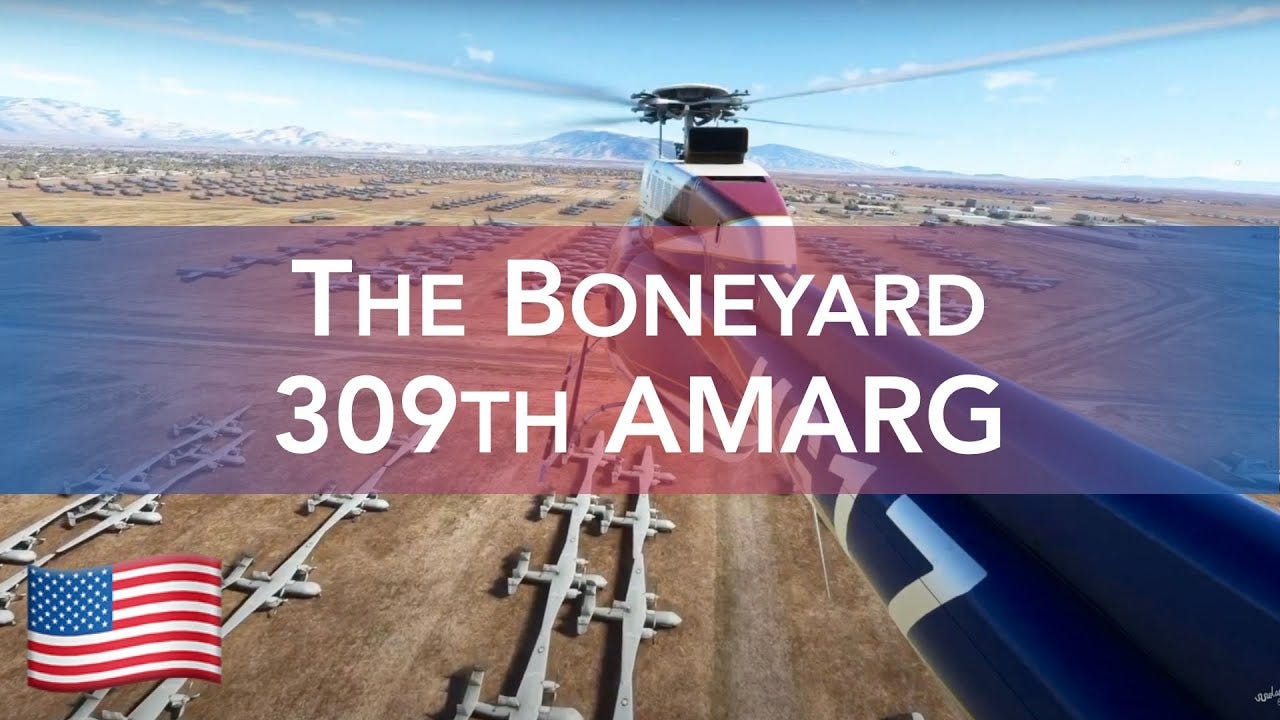
For aviation nerds, few sights cause a mix of awe and nostalgia quite like a visit to “The Boneyard.” Tucked into the arid desert outside Tucson, Arizona, lies the world’s largest aircraft storage and regeneration facility: the 309th Aerospace Maintenance and Regeneration Group (AMARG) at Davis-Monthan Air Force Base.
Here, thousands of retired military aircraft — from bombers and fighters to cargo haulers and helicopters — lay to rest.
It’s not just a graveyard. It’s a strategic national asset, a parts warehouse, a regeneration center, and a living museum of aviation history.
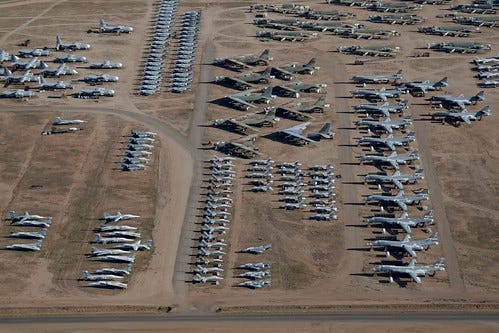
The Journey to Retirement: From Active Duty to Desert Storage
When an aircraft reaches the end of its service life — due to age, technological obsolescence, budget cuts, or treaty obligations — its story doesn’t simply end. For U.S. military aircraft, the path often leads straight to Tucson.
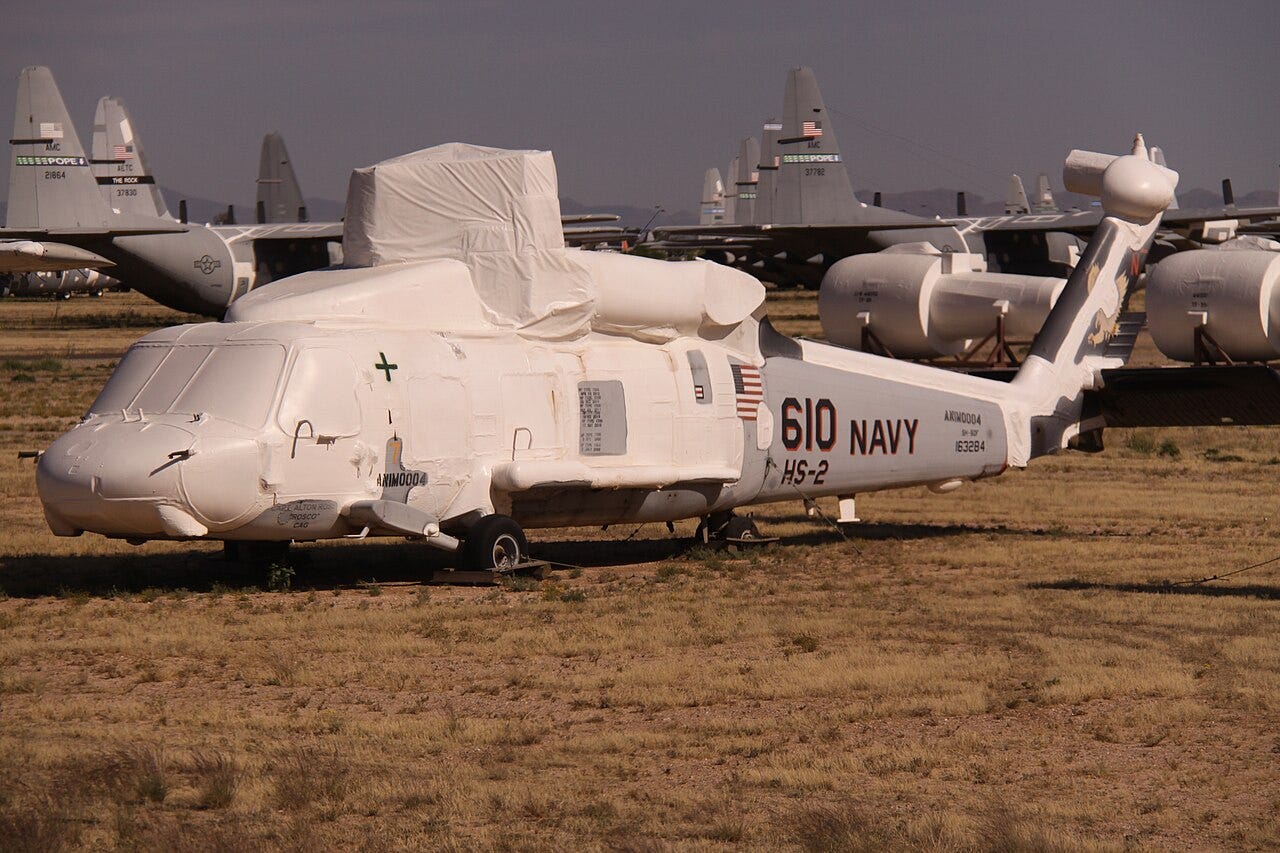
The process begins with a final flight. Many aircraft are ferried in under their own power, landing at Davis-Monthan for the last time. Upon arrival, they undergo a meticulous “mothballing” or preservation ritual:
Fluids drained: Fuel, oil, and hydraulics are removed to prevent corrosion and fire hazards.
Sealing and protection: Engines are wrapped, cockpits covered, and the entire airframe often sprayed with a protective coating (like a thick latex or similar preservative) to shield against dust, UV rays, and temperature swings.
Cannibalization begins: Valuable components — avionics, engines, landing gear, and weapons systems — are carefully cataloged and removed for reuse on active aircraft.
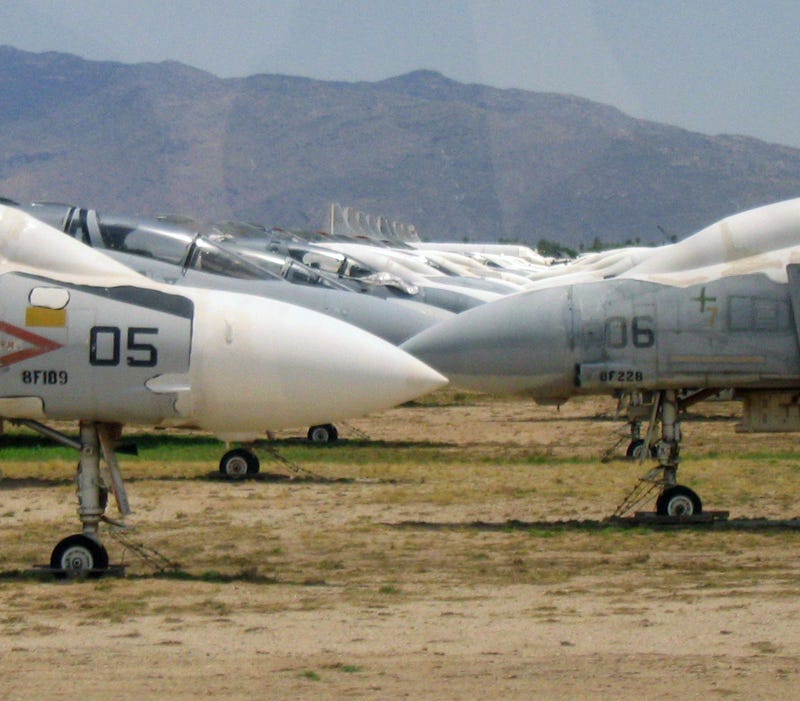
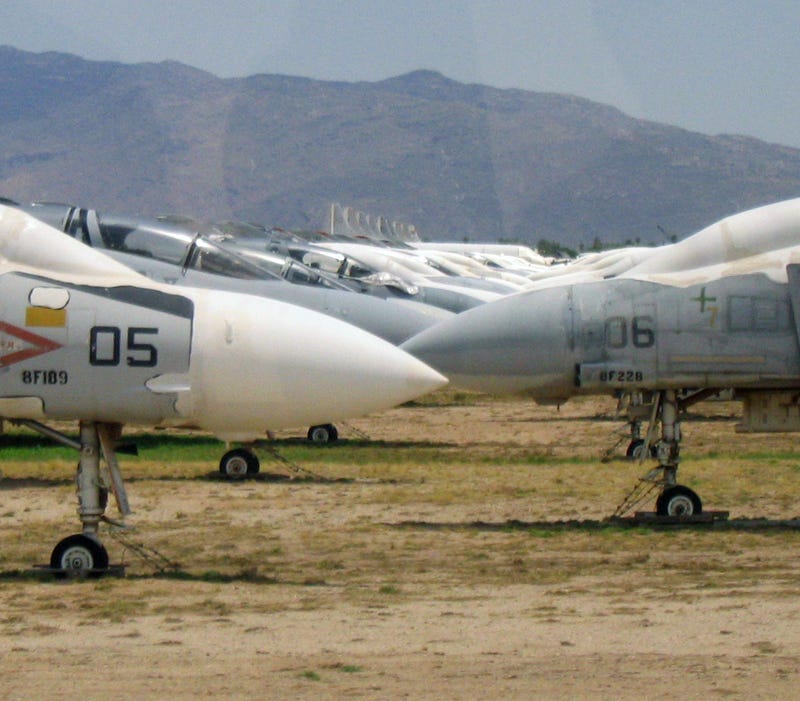
AMARG handles aircraft from all U.S. military branches, NASA, and even some foreign allies. The facility spans over 2,600 acres and currently cares for approximately 3,400 to 4,400 aircraft, along with thousands of engines and hundreds of thousands of spare parts.
Why Arizona? The Sonoran Desert’s low humidity (often under 20%), minimal rainfall (about 11 inches annually), and alkaline soil create near-ideal preservation conditions. Planes don’t rust like they would in humid climates. The hard, dry ground supports the massive weight without sinking. Daytime highs in summer can exceed 110°F, but the lack of moisture prevents the kind of degradation seen elsewhere.
Inside AMARG: Not Just Storage, But a Strategic Hub
AMARG isn’t a passive junkyard. Its five core missions make it vital to U.S. defense readiness:
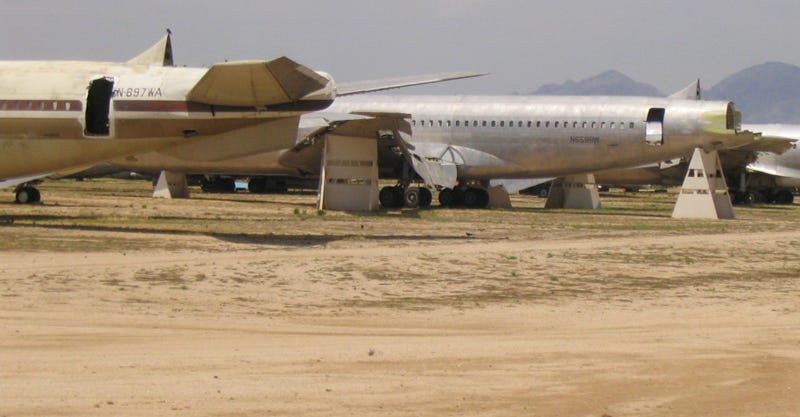
Storage & Preservation — The bulk of the inventory sits in long, orderly rows, organized by type for easy access.
Regeneration — Aircraft can be returned to flying status. Some are pulled back into service within days or weeks when needs arise (e.g., during surges or for allies).
Parts Reclamation — This is where the real value shines. In a recent fiscal year, AMARG delivered over 10,000 parts, many high-priority, saving taxpayers millions by avoiding new purchases.
Disposal Preparation — When an airframe has no further use, it’s prepared for scrapping or sale as scrap metal.
Depot-Level Maintenance Support — Specialized work keeps options open.
Historic examples abound. During the Korean War, B-29 Superfortresses were regenerated from storage. More recently, A-10 Warthogs, B-52 Stratofortresses, and F-16s have been held in reserve. Some aircraft, like certain F-4 Phantoms or F-16s, have been converted into unmanned aerial targets (QF- versions) for live-fire training.
Iconic Residents:
B-52 Stratofortresses: Dozens of these Cold War icons remain, some with decades of service.
A-10 Thunderbolt II “Warthogs”: Over 100 stored, beloved by ground troops for their tank-busting capabilities.
F-14 Tomcats: Made famous by Top Gun, several Navy Tomcats found their way here after retirement.
C-5 Galaxies and B-1 Lancers: Massive bombers and transports that once ruled the skies.
The variety is staggering: fighters, bombers, tankers, trainers, helicopters, and even experimental airframes. Spotters dream of rare variants and one-offs that occasionally surface.
Commercial Cousins: Civilian Boneyards in the Southwest
While AMARG dominates military retirement, commercial airliners have their own desert havens nearby.
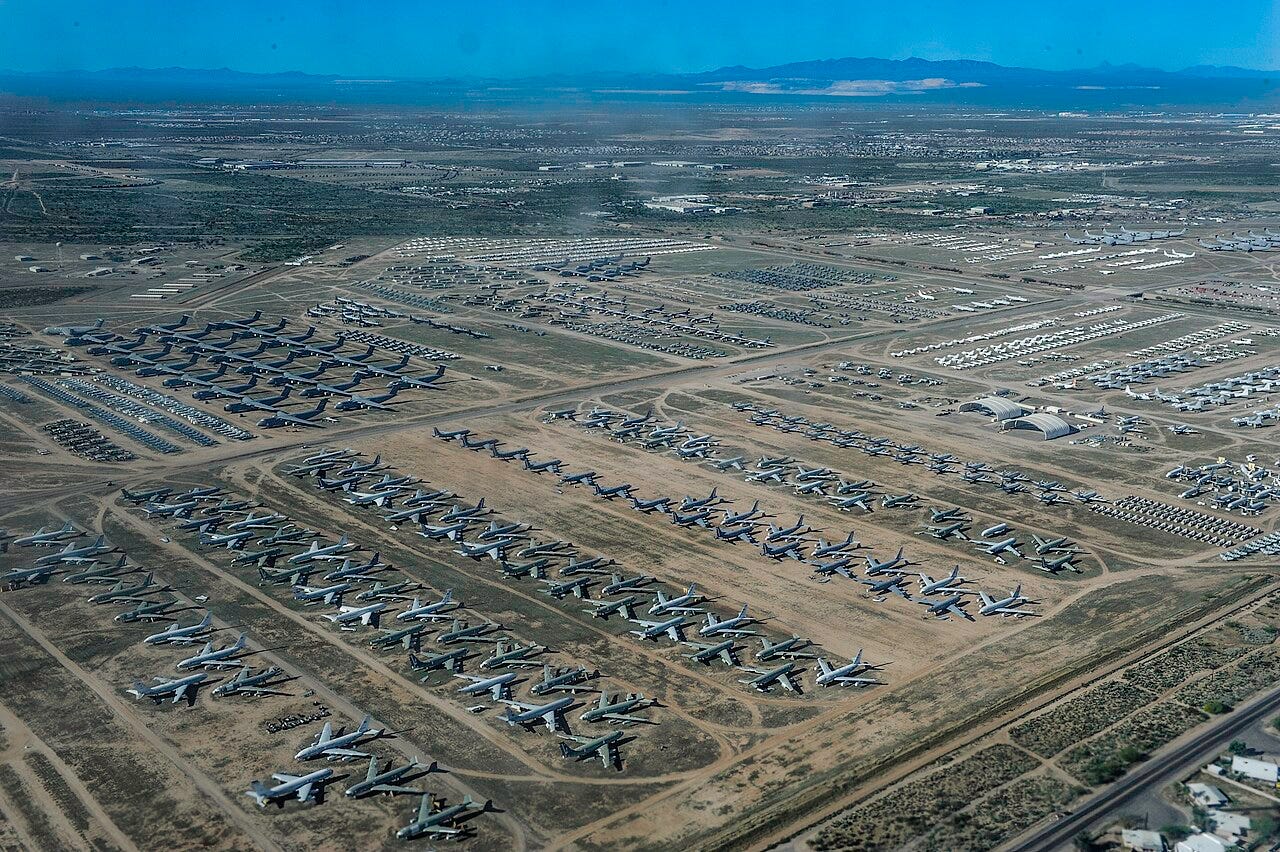
Pinal Airpark (Marana, AZ): Northwest of Tucson, this active airport doubles as a major storage site for passenger jets. Airlines park widebodies and narrowbodies here during downturns or at end-of-life.
Victorville (Southern California Logistics Airport) and Mojave Air & Space Port: Just across the border in California, these handle hundreds of civilian aircraft. During the COVID-19 pandemic, they swelled with parked fleets. Planes here often await reactivation, conversion to freighters, or eventual teardown.
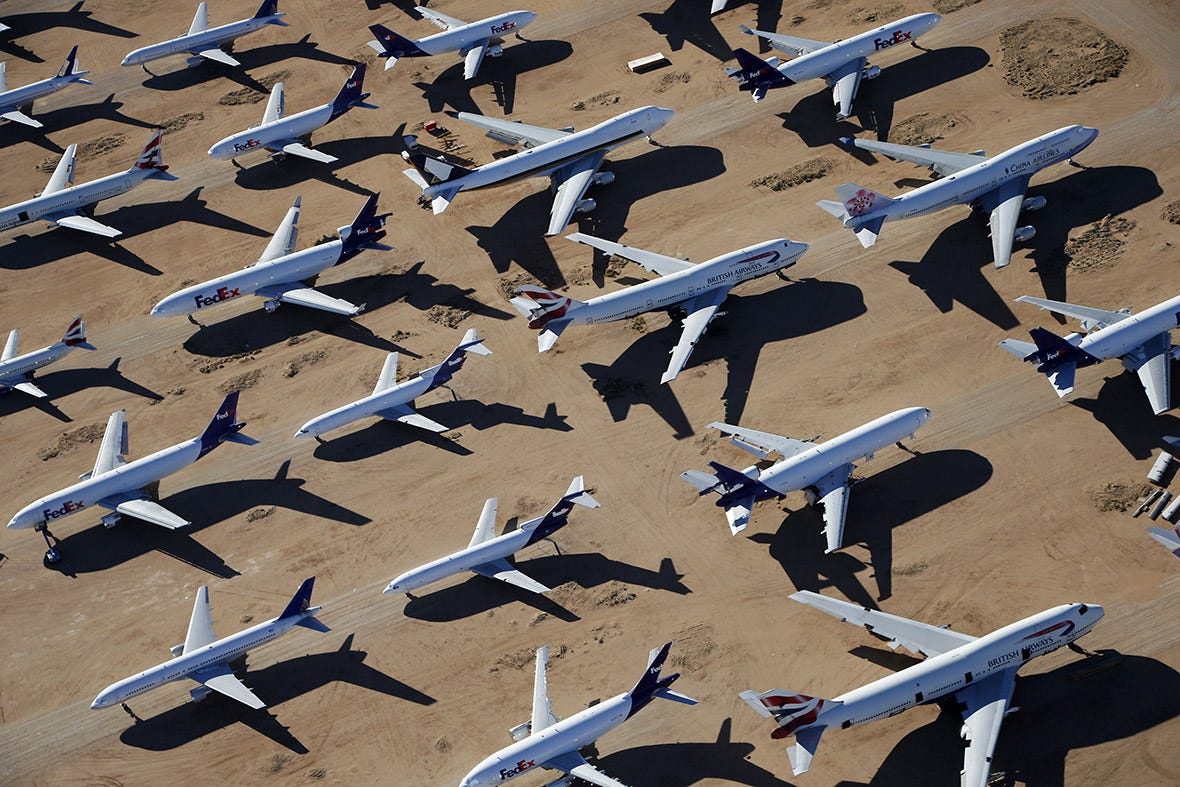
Victorville Boneyard
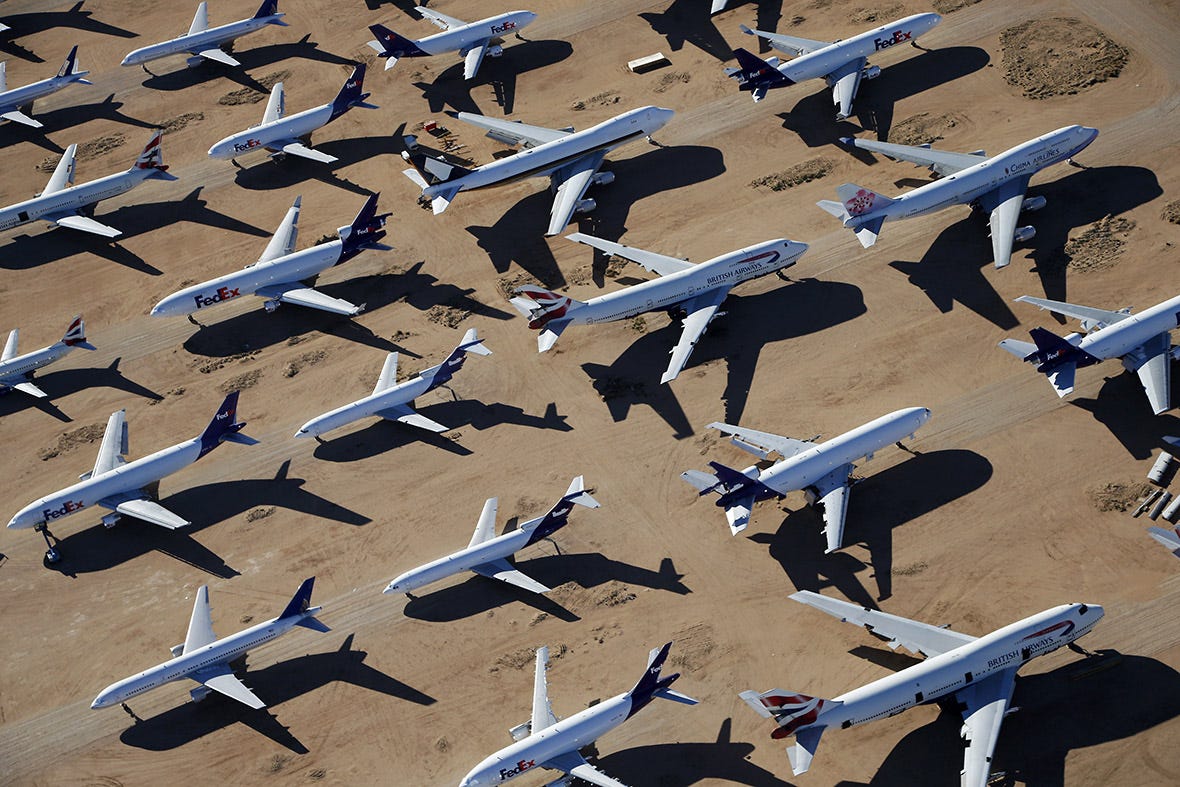
The process for airliners is similar but market-driven: engines and high-value parts are harvested first. Up to 90% of an aircraft’s materials can be recycled. Older jets like 747s, MD-11s, and A380s have found their way to these sites as airlines modernize to more efficient types.
Visiting the Legend: What Aviation Fans Can Experience
Direct public access to the core AMARG facility is restricted for security reasons (bus tours from Pima Air & Space Museum have been discontinued as of recent years due to military policy changes). However, enthusiasts can still immerse themselves.
The adjacent Pima Air & Space Museum is a world-class destination with over 400 aircraft on display across 80 acres and multiple hangars. Many historic planes that once called the Boneyard home now reside here, beautifully restored. From a SR-71 Blackbird to civilian airliners and rare prototypes, it’s a must-visit for any aviation lover. Tram tours of the museum grounds offer narrated insights.
Aerial views via helicopter tours or Google Earth provide breathtaking perspectives of the sheer scale. Aviation photographers and YouTubers frequently capture stunning imagery from permitted vantage points.
The Human and Economic Side: Saving Billions, Preserving History
AMARG isn’t just about nostalgia — it delivers real economic value. By reclaiming parts and regenerating aircraft, it saves the Department of Defense hundreds of millions annually. In an era of tight budgets and supply chain issues, having a ready reserve of airframes and components is invaluable.
For those who flew these machines, the Boneyard represents closure and legacy. Many veterans visit to see “their” aircraft one last time. The desert holds stories: combat missions over Vietnam, Cold War patrols, Gulf War operations, and humanitarian flights.
Environmental considerations have grown too. Modern dismantling emphasizes recycling, reducing waste from retired giants.
Why the Boneyard Endures as an Aviation Icon
In a world of rapid technological change, the Arizona Boneyard stands as a testament to aviation’s past — and a practical hedge for its future.
For pilots, engineers, and historians it’s a pilgrimage site. What aircraft would you most likely want to see if you could visit?
Aw. This is a lovely story. ✈️